
Those were the TU Wien Informatics Awards 2025
With the Informatics Awards 2025, we celebrated the outstanding achievements of our students. Congratulations to all our awardees!

On December 4, 2025, we celebrated the faculty’s most outstanding students at the TU Wien Informatics Awards. The award ceremony recognizes outstanding achievements at all academic levels, including Bachelor’s, Master’s, and Doctoral degrees, as well as across all research areas at TU Wien Informatics.
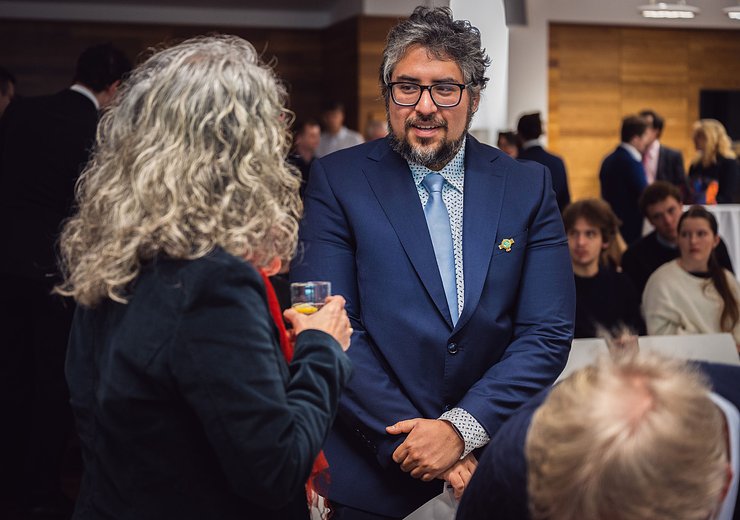
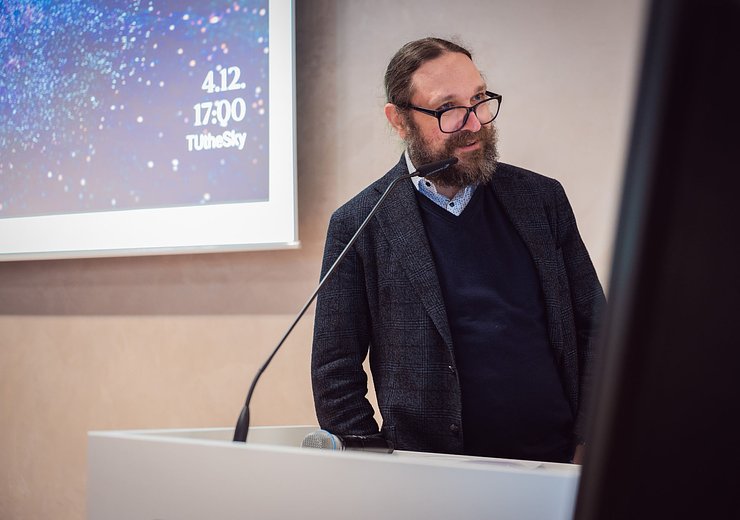
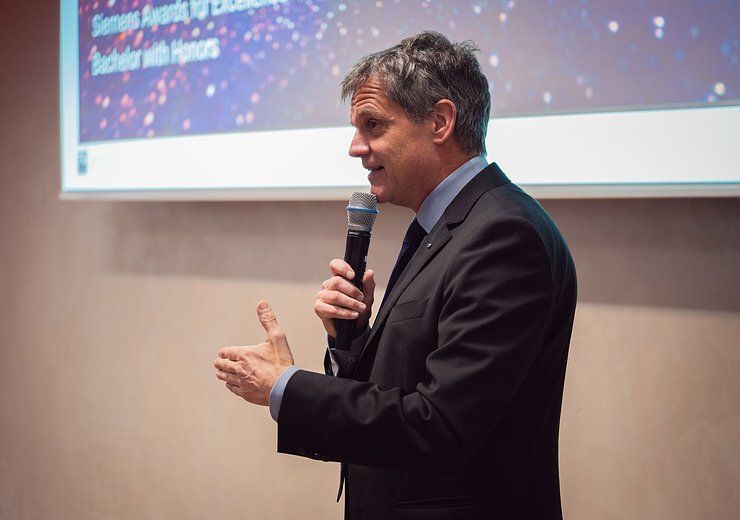
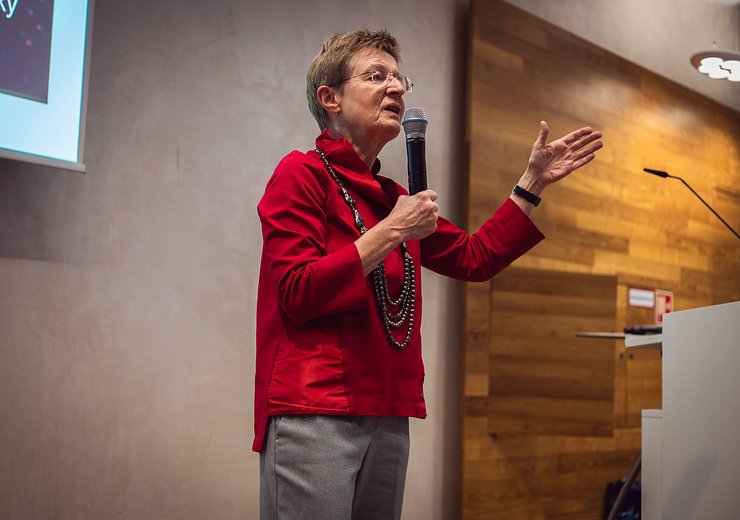
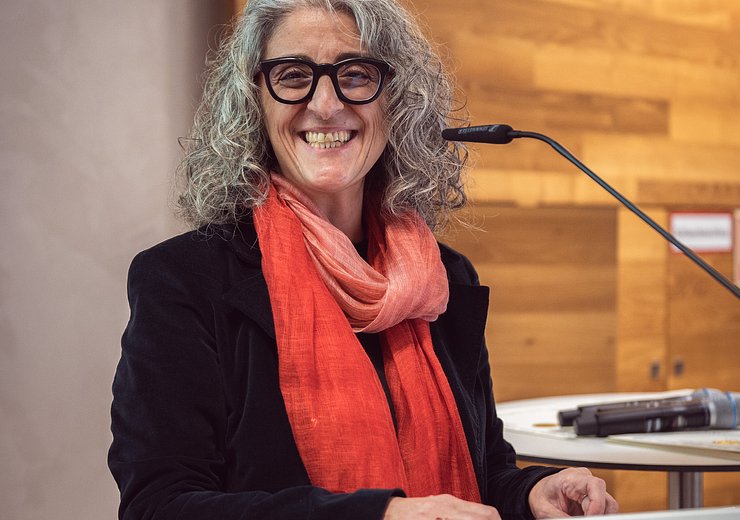
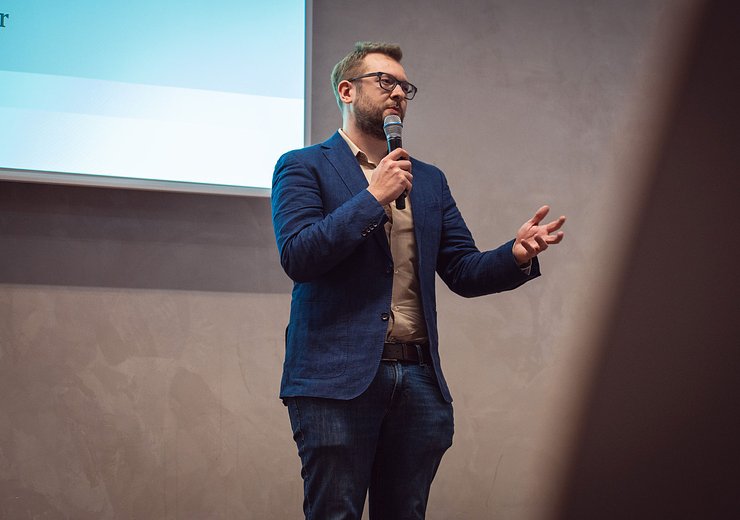
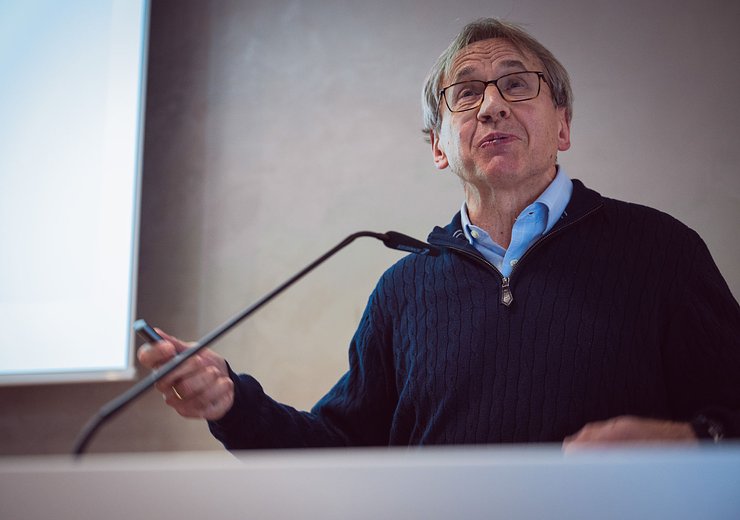
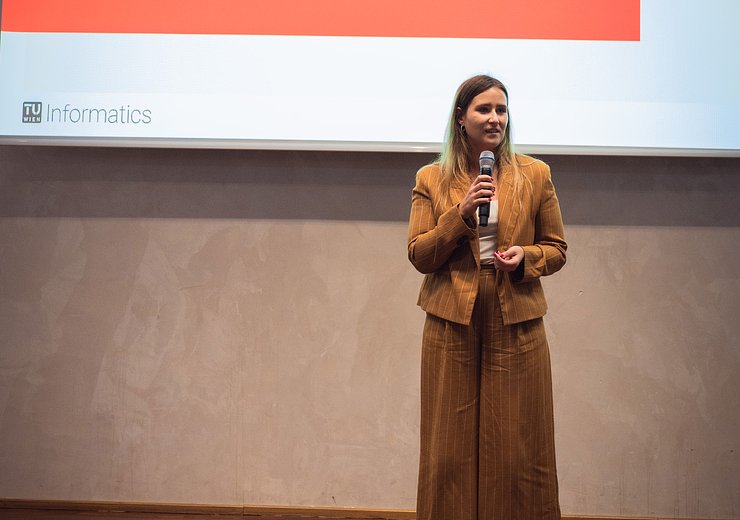
Host Stefan Woltran, Head of the Research Unit for Databases and Artificial Intelligence, guided the audience through the ceremony. After warmly welcoming our honored guests, he introduced the Rector of TU Wien, Jens Schneider, who spoke about the vital role of promoting young talent in academia, noting that early encouragement can ignite a lifelong passion for discovery. By fostering curiosity, discipline, and creativity, young scholars can develop into researchers, innovators, and leaders whose work will have a profound and lasting impact on society in the years to come. Following Jens Schneider, Dean Gerti Kappel addressed the audience, emphasizing the importance of responsibility that comes with outstanding academic achievements and the research happening across the scientific community. While Artificial Intelligence is often at the forefront, she reminded the audience that AI is just one of many dynamic fields within informatics. TU Wien Informatics, she noted, showcases expertise across a wide range of disciplines.
The promising students were honored with the Best Master Thesis Award, the Best Dissertation Award, the Siemens Awards for Excellence, and the prestigious Bachelor’s With Honors Certificates. The Informatics Awards not only acknowledge academic excellence but also recognize our students’ achievements within a supportive and visionary community.
Best Master Thesis Award
14 Master’s graduates were nominated for the Best Master Thesis Award. The jury considers both the methodological and substantive aspects of each thesis, including the importance and originality of the subject, the quality of the scholarship, its structure, writing, and presentation, after a joint hearing with the nominees. The Best Master Thesis Award is endowed with €1500, and runners-up receive €750 each. The jury was chaired by Jessica Cauchard from the Research Unit Artifact-based Computing and User Research. She took over this responsibility from Margrit Gelautz from the Research Unit Computer Vision, who had led the jury until last year. However, this year, Margrit was unable to serve as chair, as she had nominated a candidate herself. This would have been her final year in the role, so we extend our sincere thanks to Margrit Gelautz for her exceptional leadership, unwavering commitment, and invaluable contributions over the years.
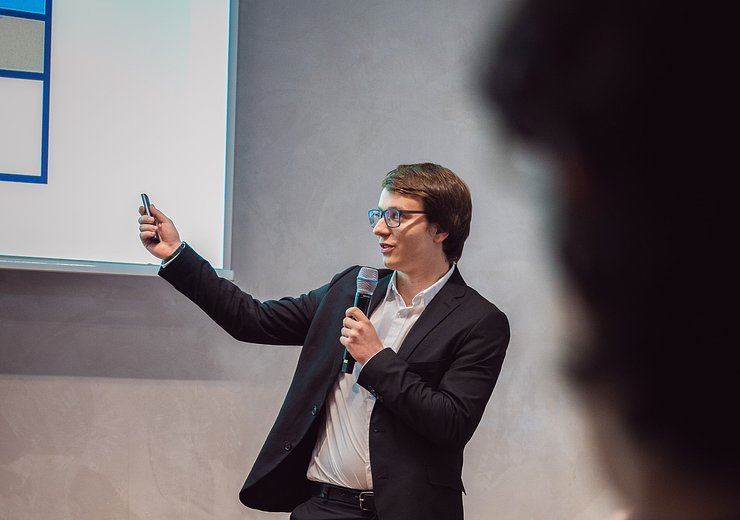
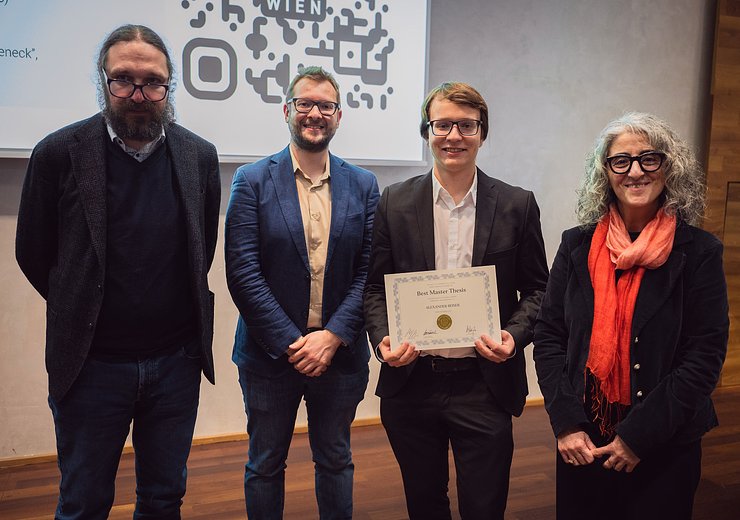
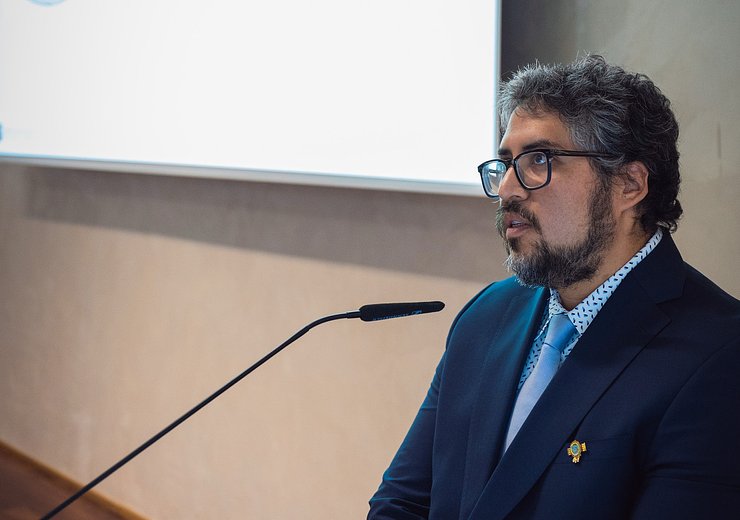
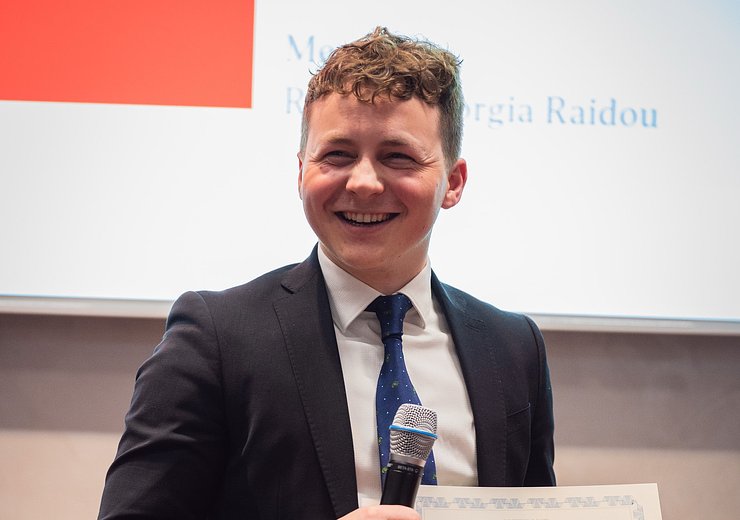
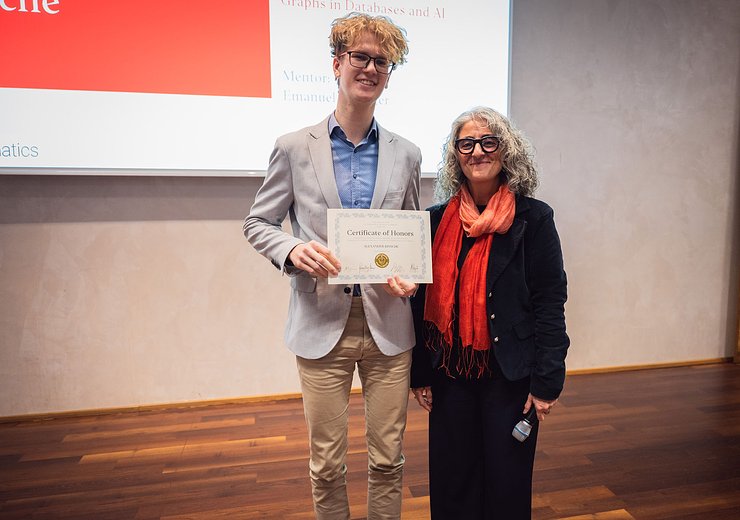
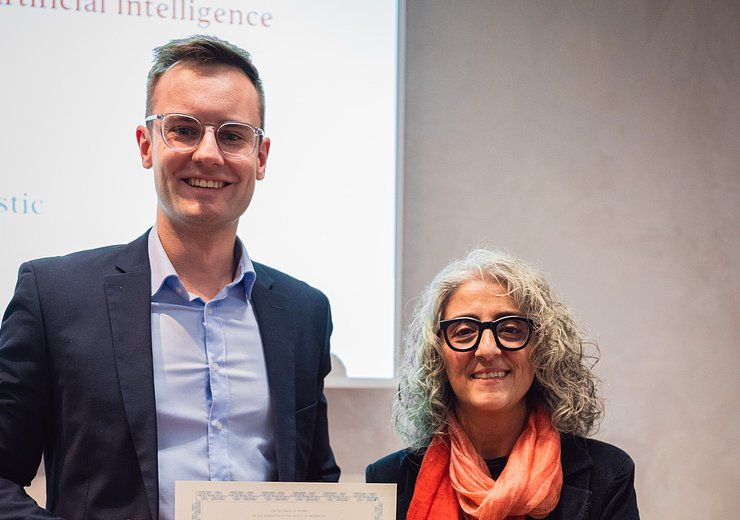
This year’s winner of the Best Master Thesis Award is Alexander Beiser with his thesis Novel techniques for circumventing the ASP Bottleneck. He was supervised by Stefan Woltran and Markus Hecher, who currently holds a research position at the National Centre for Scientific Research (CNRS) in France. Markus Hecher introduced Alexander to the audience, praising his excellence and unwavering dedication. He also highlighted how truly rewarding it is to collaborate with someone so driven and inspiring.
Alexander’s thesis advances solutions to the grounding bottleneck in Answer Set Programming, a slowdown that occurs when abstract rules are expanded into large concrete programs. His work improves body-decoupled grounding by making it compatible with traditional grounding methods and by extending it to handle a wider range of rule types. He introduces both manual and automated ways to decide how to combine these grounding approaches based on the structure of the rules and data. Along with new methods that reduce grounding size and shift some work to the solving phase, his algorithms significantly improve efficiency, especially on grounding-heavy problems.
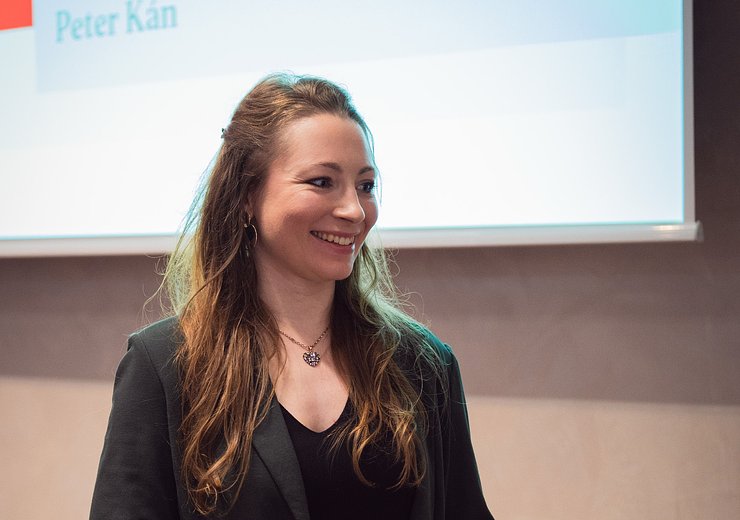
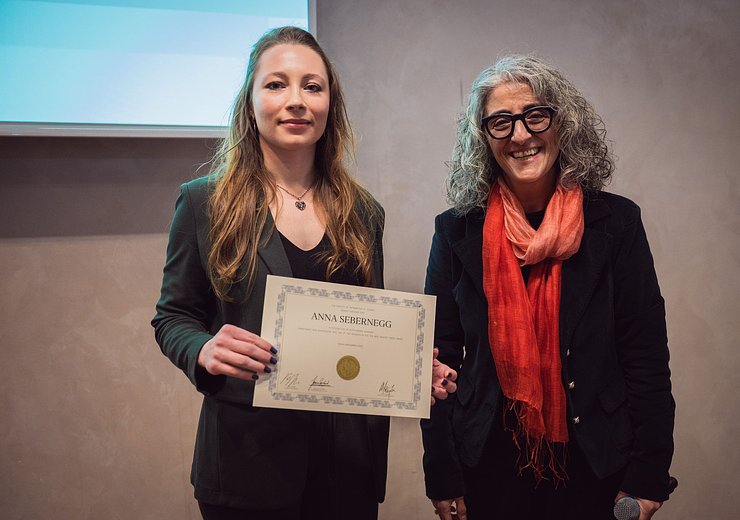
The two runners-up for the Best Master Thesis Award were Peter Blom with his thesis Probabilistic Verification of Black-Box Systems and Anna Sebernegg with her thesis Tennis Motion Learning in Virtual Reality: Rule Based Motion Analysis and Feedback Administration for the Forehand Topspin. Peter was supervised by Thomas Gärtner, and co-supervised by Sagar Malhotra. Anna was supervised by Peter Kán.
Best Dissertation Award
The Best Dissertation Award was presented by Andreas Steininger, Director of the Doctoral School at TU Wien Informatics, and is endowed with €2000. Andreas Steininger emphasized the rigorous selection process, and the achievements for the scientific community that all nominated theses brought to the table. Six students were nominated for the Best Dissertation Award; amongst the 6 nominees, however, there was one dissertation that particularly stood out, which was Hugo Rincón Galeana’s thesis Methods for Analyzing Task Solvability in Distributed Computing.
He was supervised by Ulrich Schmid, now retired Professor and former Head of the Research Unit Embedded Computing Systems. Schmid, evidently proud of his student, delivered a heartfelt laudatio, highlighting not only Hugo’s perseverance and humility but also the exceptional character he demonstrated throughout his research endeavors. He particularly emphasized Hugo’s vast knowledge base, noting how he is uniquely versed in three distinct fields, an accomplishment that sets him apart as a truly interdisciplinary scholar. Schmid praised the depth of Hugo’s expertise and his ability to integrate insights from multiple domains, which has greatly enriched his contributions to research.
Hugo’s dissertation examines how tasks can be solved in distributed computing systems, where multiple processors work together to achieve a common goal. It introduces three different frameworks—combinatorial, topological, and epistemic logic—for analyzing task solvability in various settings. Through original results, the thesis explores how each framework can be applied to specific problems, such as consensus in synchronous systems, chromatic tasks in certain models, and the Firing Rebels problem in asynchronous systems. The findings highlight that no single method is universally effective, emphasizing the importance of selecting the right approach based on the task and system characteristics.
Siemens Awards for Excellence
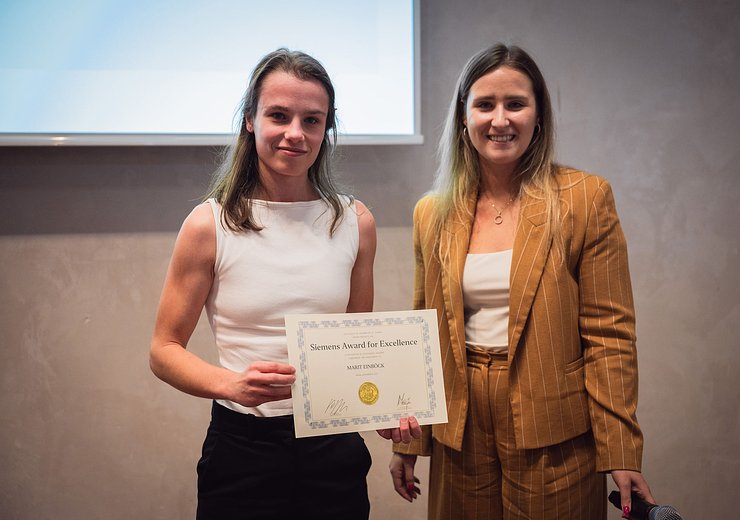
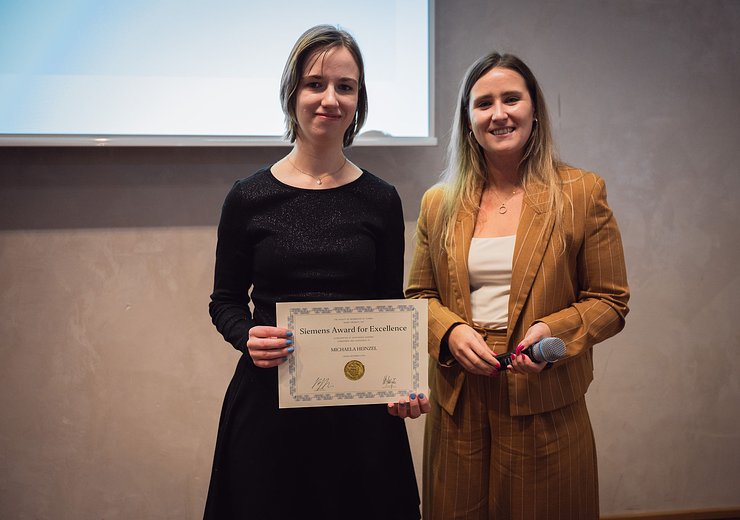
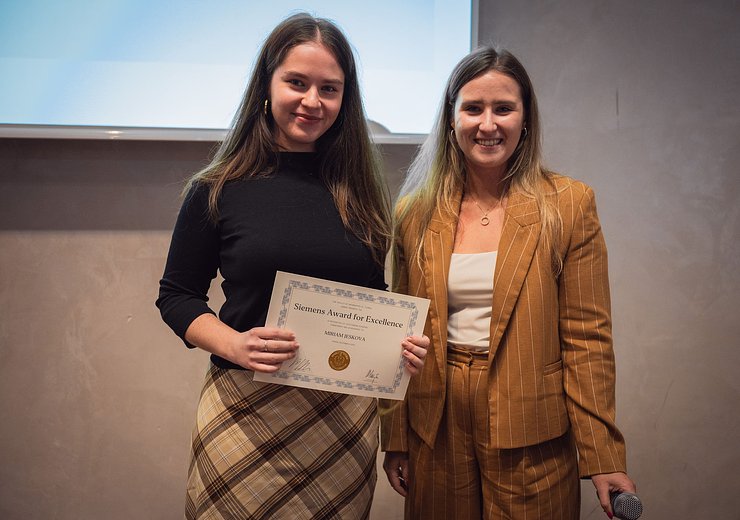
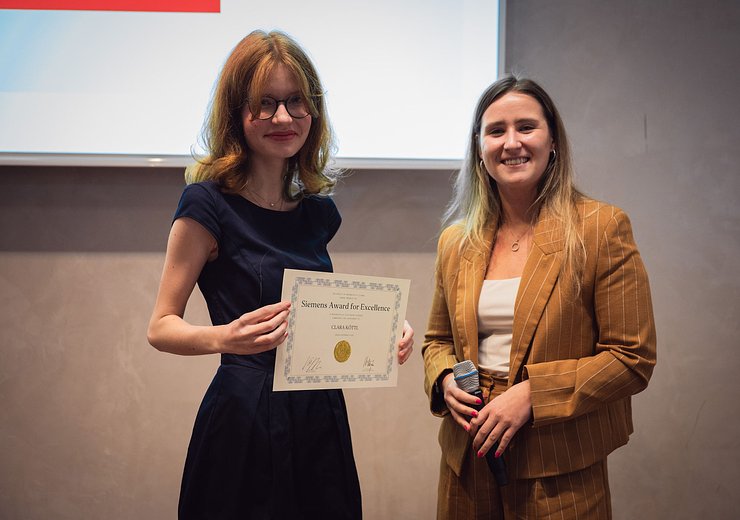
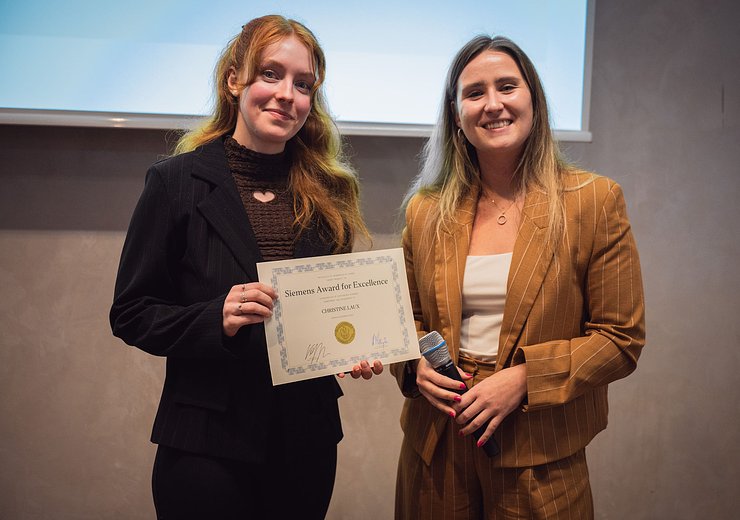
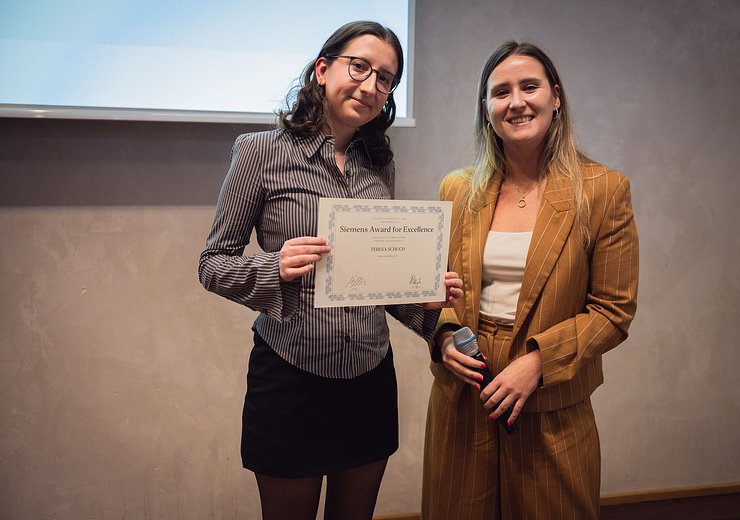
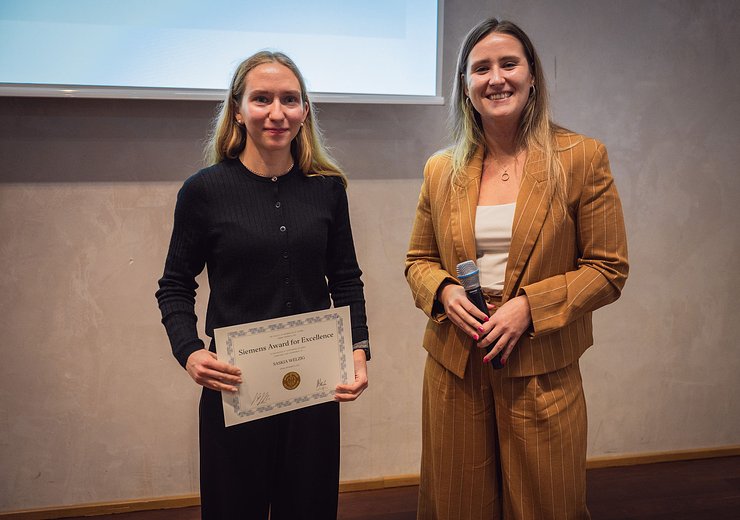
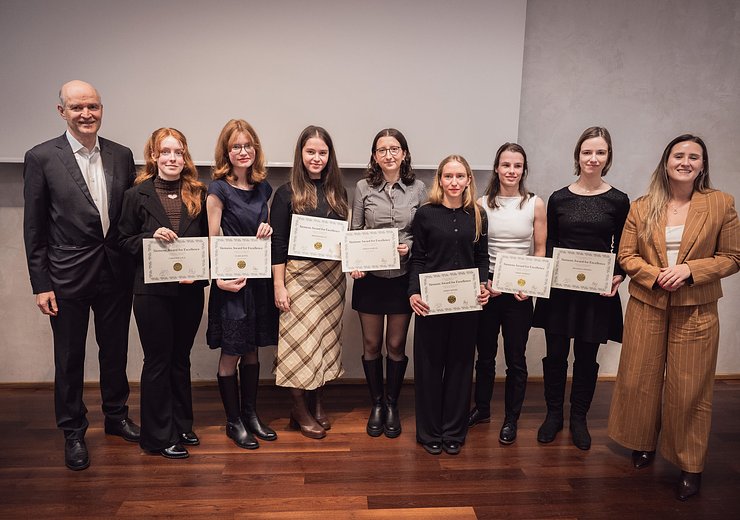
The faculty annually honors the best female Bachelor’s and Master’s students with the Siemens Awards for Excellence. Our partners from Siemens AG sponsor the prize endowed with €1000. It was our pleasure to have Nicole Graf, Head of Territory Sales at Siemens Austria, as a guest at the Informatics Awards. In a short keynote, she offered the students valuable advice for their future careers: not to be discouraged by what they don’t know, but instead to remain open and curious about new ideas and opportunities. By questioning existing processes and challenging the status quo, she emphasized, they can foster continuous growth and innovation, both for themselves and for the fields they will contribute to. Nicole Graf then handed over the certificates to the recipients of the award for the academic year 2024/25: Marit Einböck, Michaela Heinzel, Miriam Jeskova, Clara Köttl, Christine Laux, Teresa Schuch, and Saskia Welzig.
Bachelors with Honors
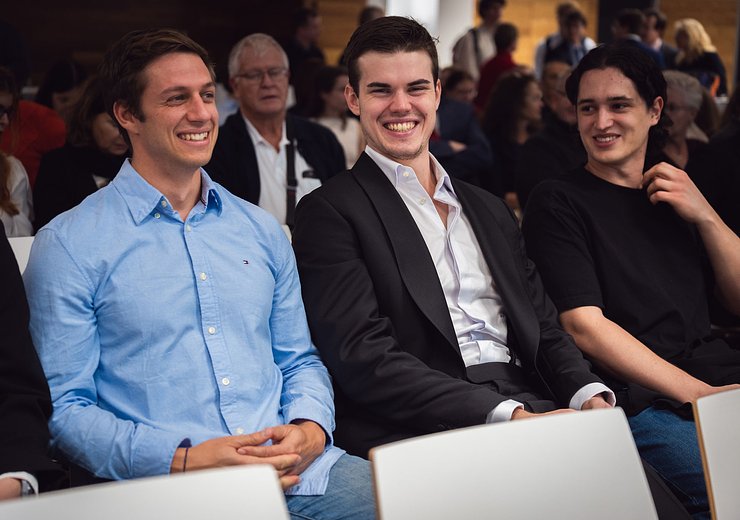
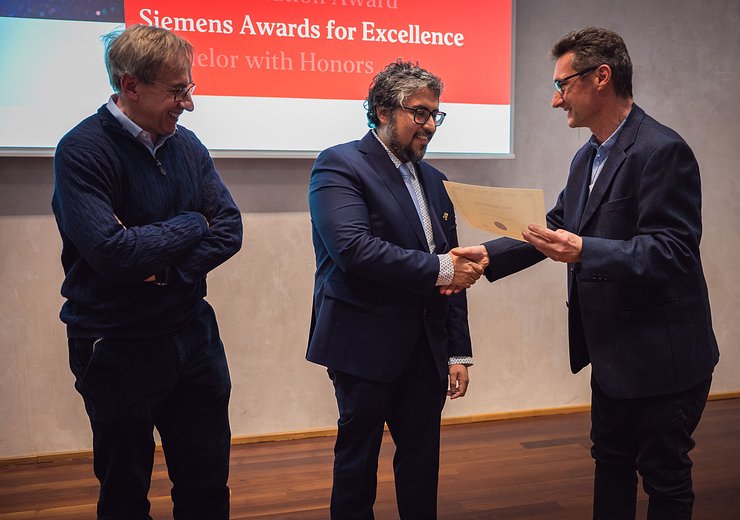
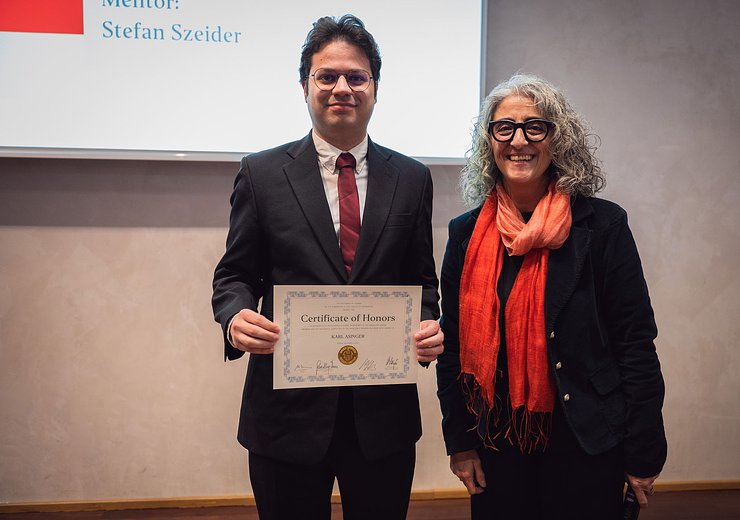
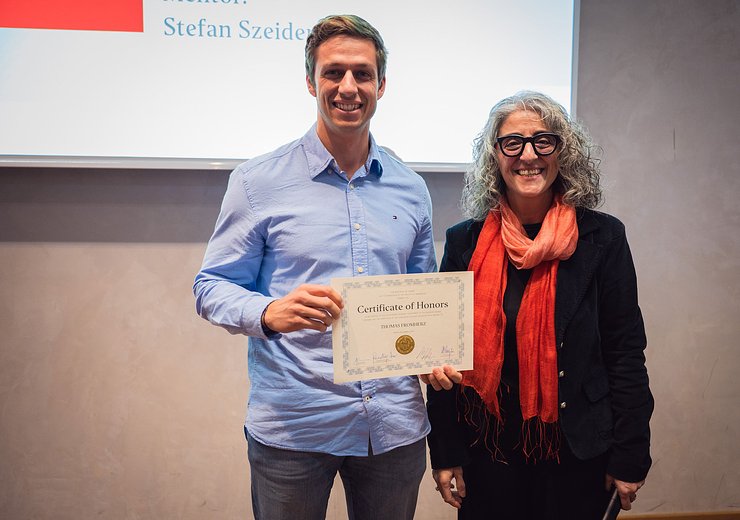
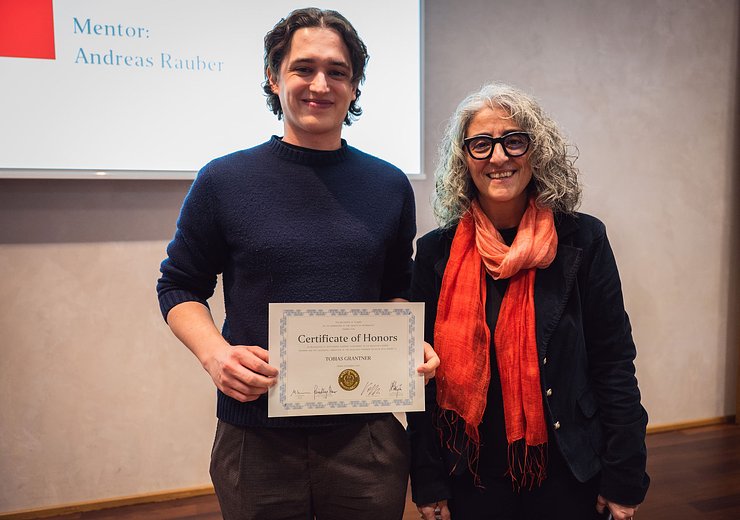
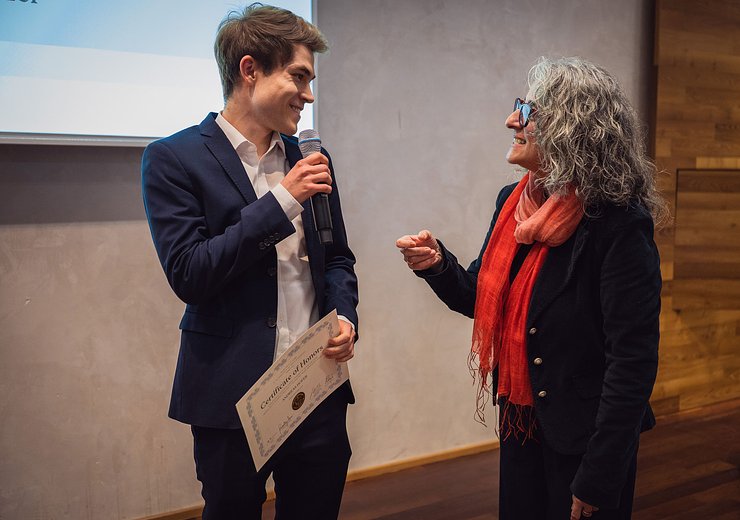
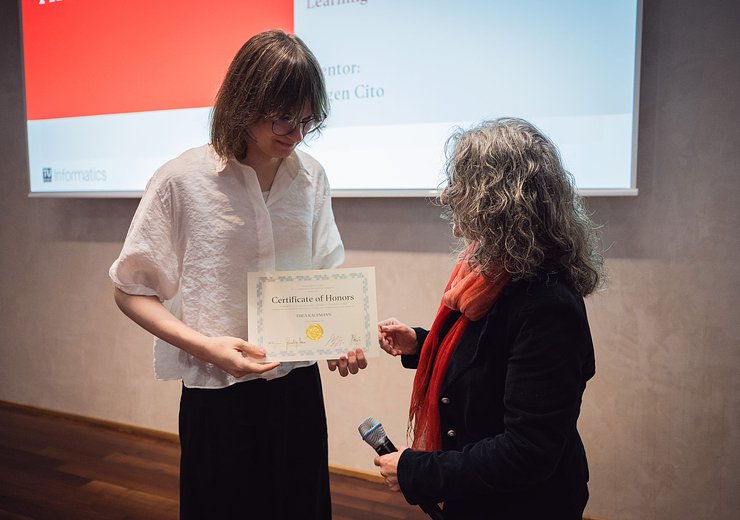
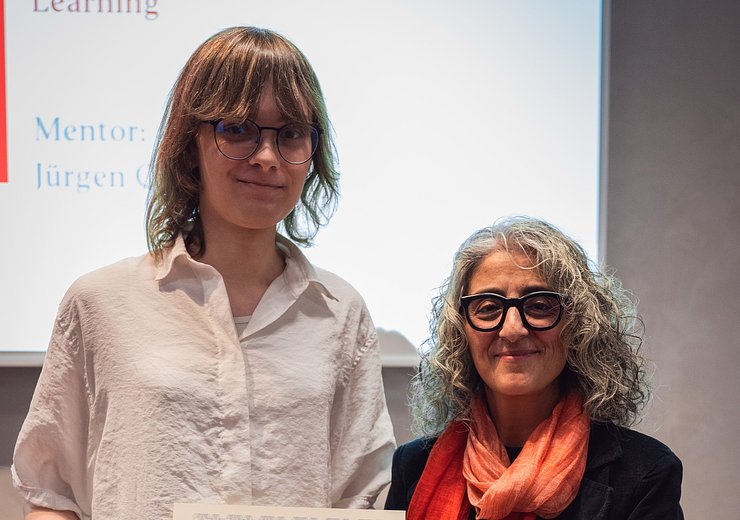
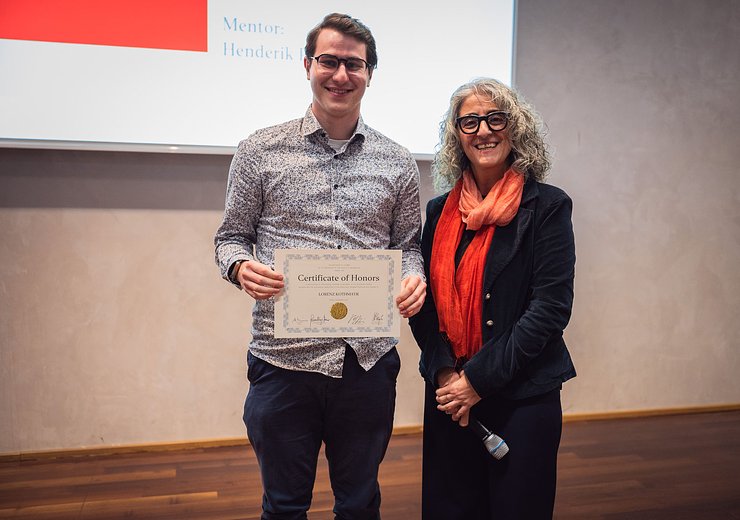
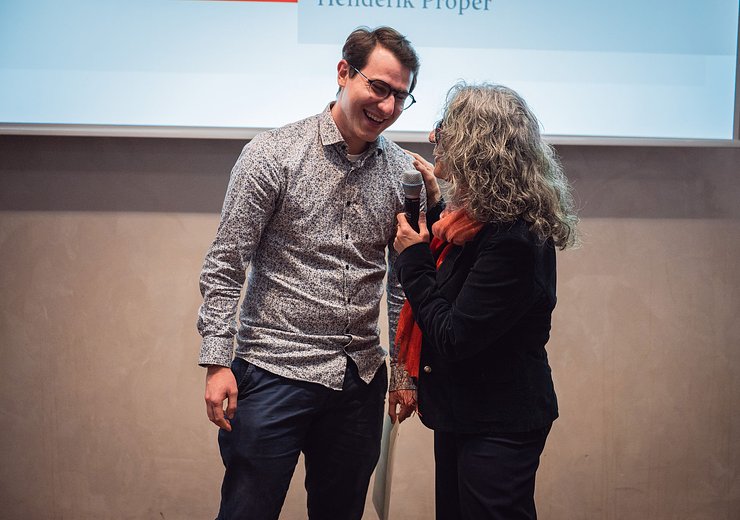
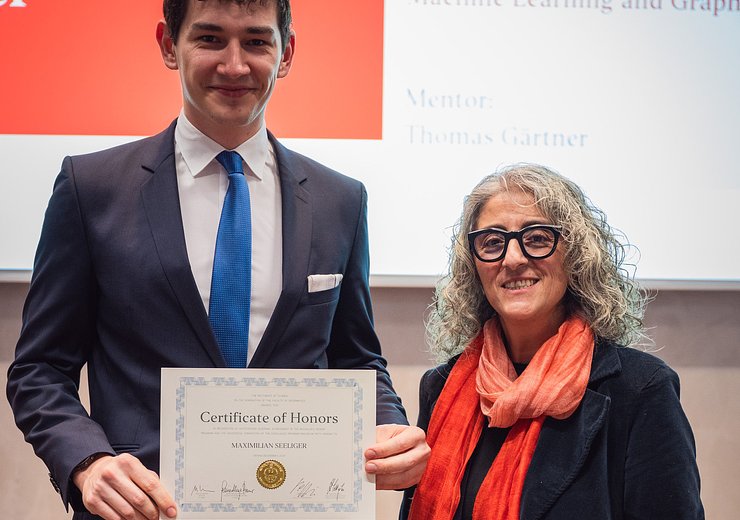
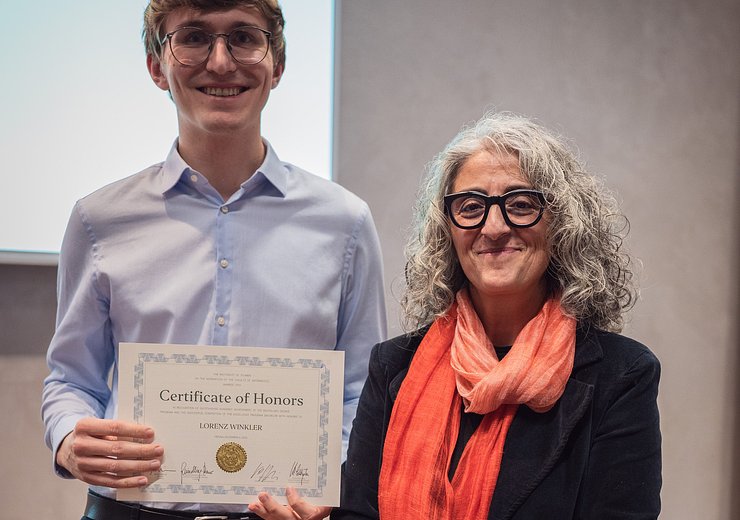
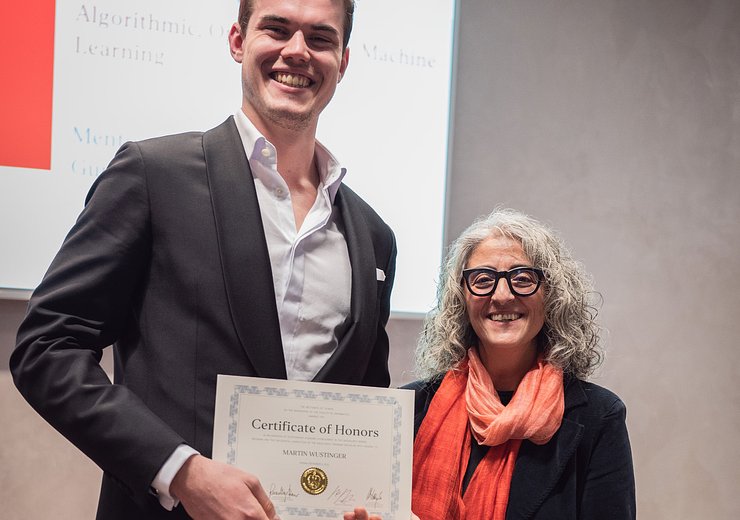
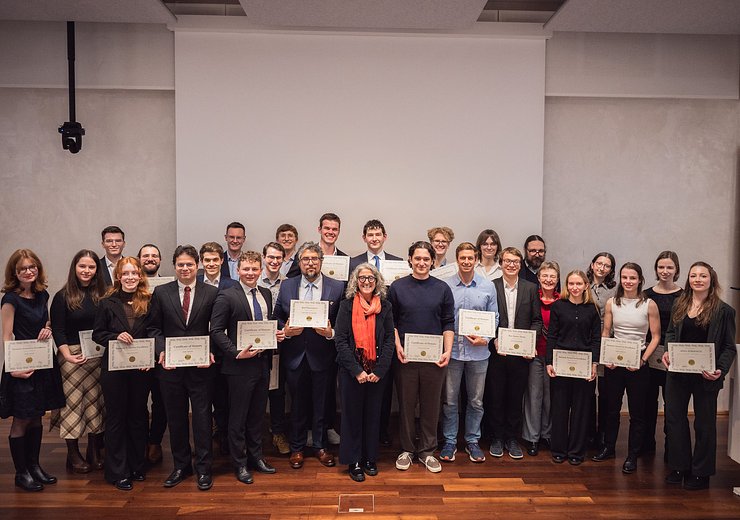
Our Excellence Program Bachelor with Honors enables the top 5% of students to deepen their knowledge and inspires them to conduct scientific research at an early stage of their academic careers. The program promotes close collaboration with researchers at TU Wien Informatics and makes the everyday experience of researchers accessible to young scientists. Vice Dean of Academic Affairs, Hilda Tellioglu, introduced all Bachelors with Honors with a few words, and handed over the certificates to Karl Asinger, Thomas Fromherz, Tobias Grantner, Michael Andreas Helcig, Andreas Hofer, Thea Kaufmann, Lorenz Kothmayr, Nikolaus Felix Meizer, Alexander Rinsche, Maximilian Seeliger and Patrick Styll. Florian Chen, Maximilian Kleinegger, and Jakob Schreiber also completed the Bachelor’s with Honors program but were unfortunately unable to attend the ceremony. Designed as a one-year extension of our regular Bachelor’s programs, this excellence program is an additional offer to excellent undergraduates. Individual mentoring, an interdisciplinary and flexible approach, and distinct, performance-based rules are the program’s cornerstones. The Certificates of Honors include a personal letter of recommendation by the Rector of TU Wien.
Curious about our other news? Subscribe to our news feed, calendar, or newsletter, or follow us on social media.