
#README: She goes AI. We are AI: Women, Excellence and the Future of AI
On October 7, leading female researchers discussed the role of diversity in scientific excellence and shared their perspectives on the future of AI.
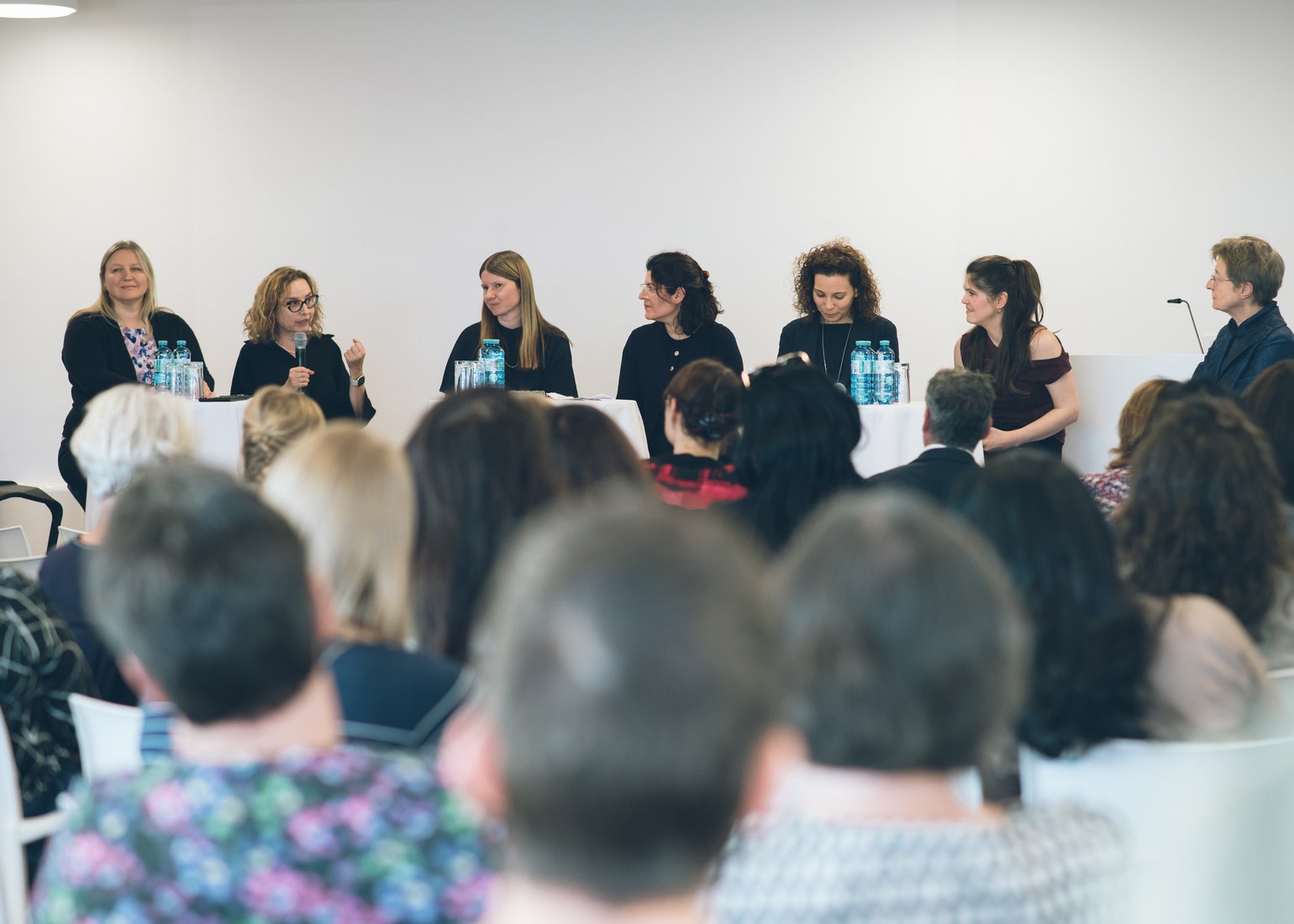
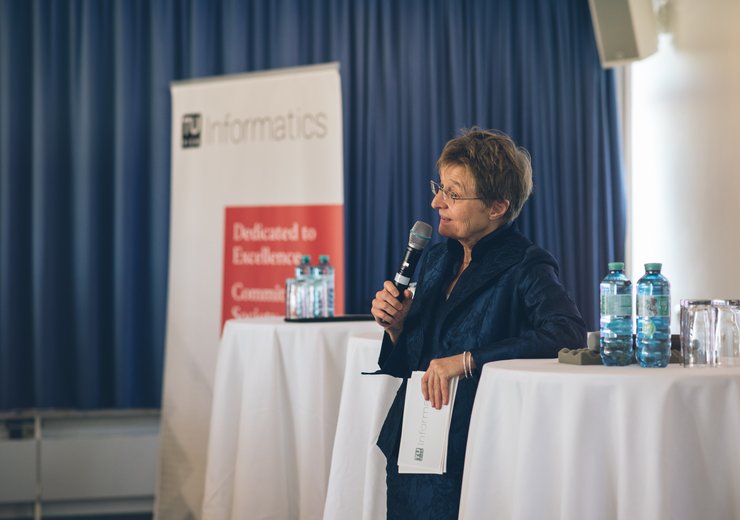
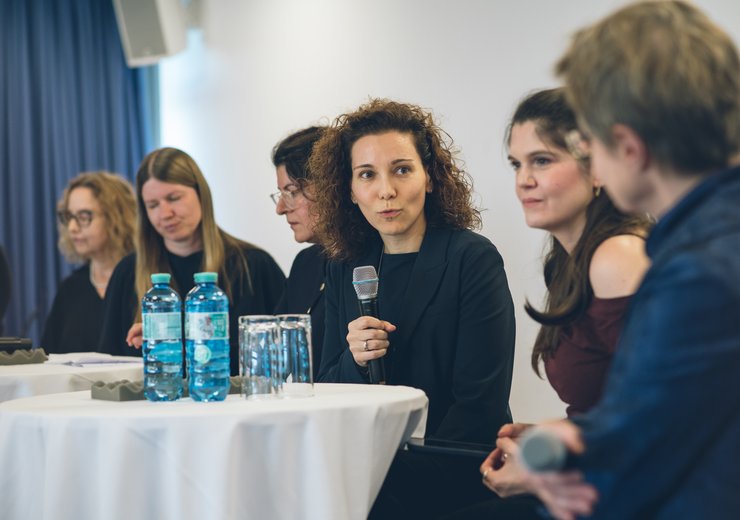
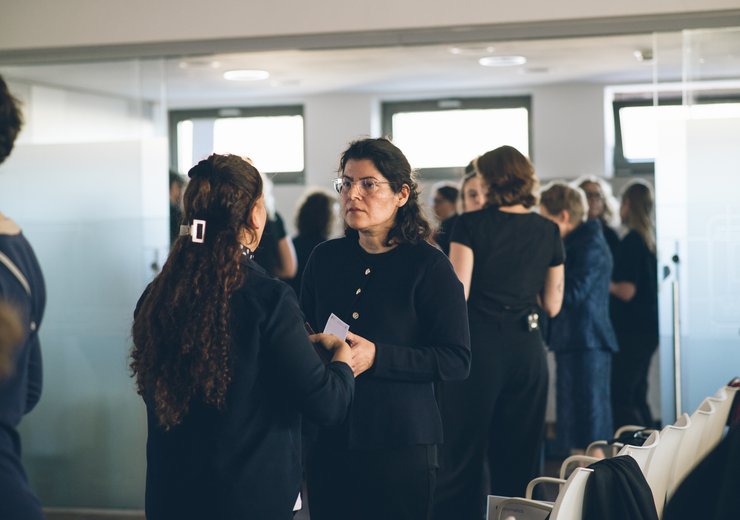
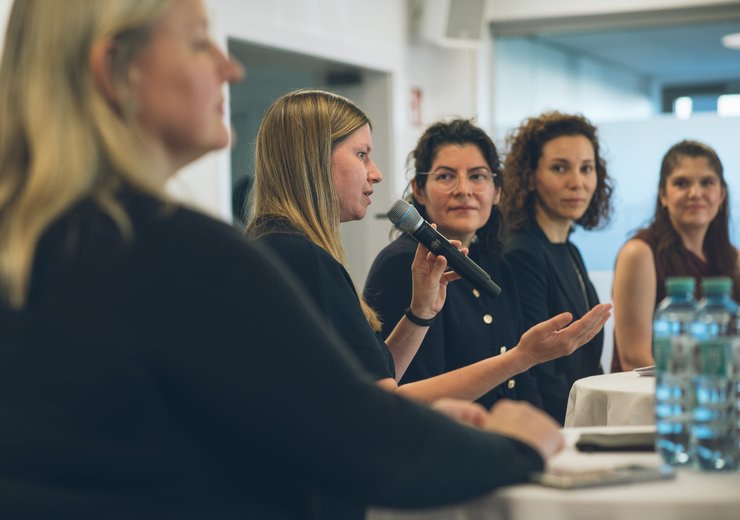
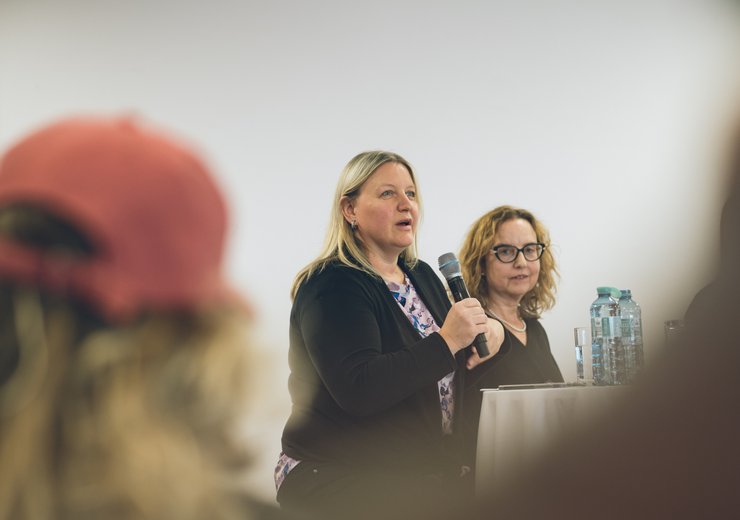
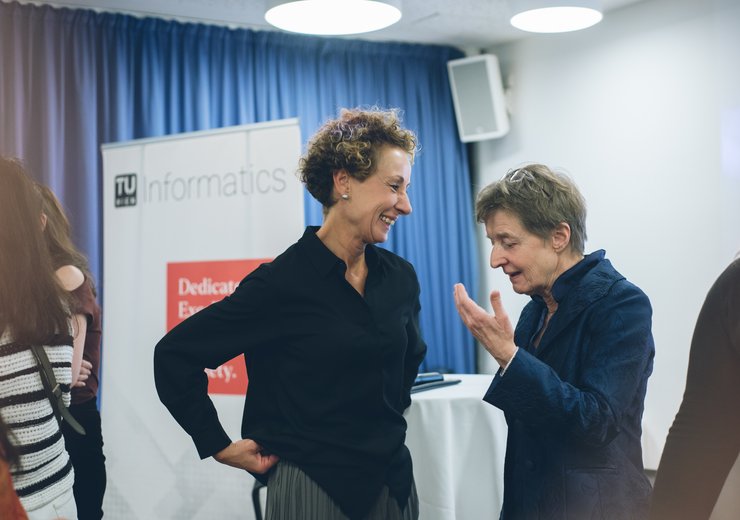
On October 7, TU Wien Informatics brought together leading female researchers from the fields of Artificial Intelligence and Computer Science for “She Goes AI. We Are AI.” Moderated by TU Wien Informatics Dean Gerti Kappel, the event brought questions of research excellence, diversity, the responsible development of AI, and digital sovereignty into conversation, while highlighting the experiences and perspectives of women working at the forefront of the field.
Panelists included Agata Ciabattoni (TU Wien Informatics), Tatjana Chavdarova (TU Wien Informatics), Maria Christakis (TU Wien Informatics), Fariba Karimi (TU Graz), Bettina Könighofer (Graz University of Technology), Julia Neidhardt (TU Wien Informatics), and Krisztina Rozgonyi (Austrian Institute of Technology). Their research spans software engineering, AI safety, game-theoretic machine learning, socio-technical networks, user modeling, recommender systems, and digital humanism, demonstrating the impressive breadth of expertise of women in AI.
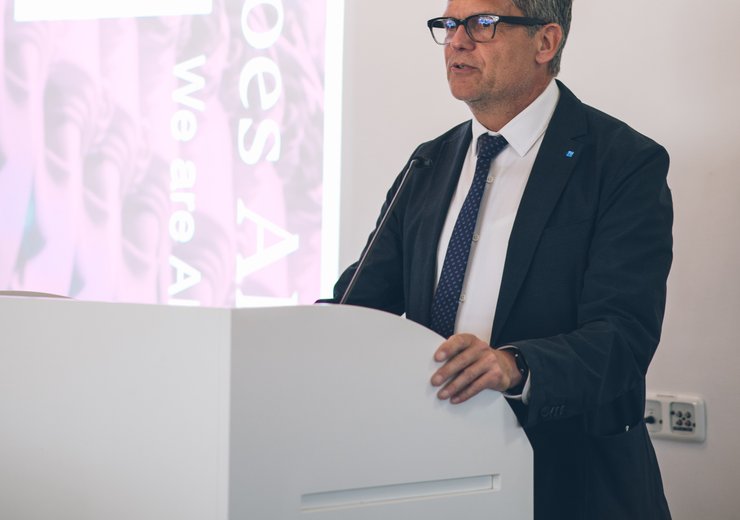
TU Wien Rector Jens Schneider and Susanne Buck, Head of the Department for Technical Universities, STEM and Sustainability at the Federal Ministry of Women, Science and Research, also joined the event. In her opening remarks, Susanne Buck addressed the persistent underrepresentation of women in AI research and the broader field, posing two key questions: Where do we lose talent? And which conditions help women enter, stay, and progress in the field?
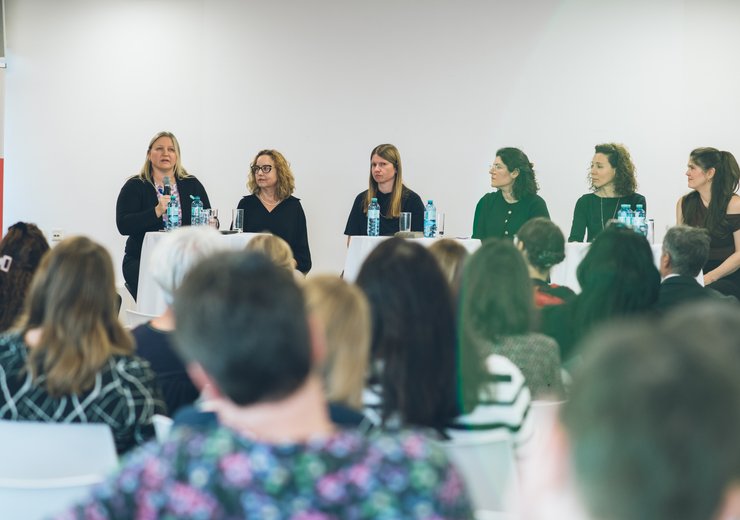
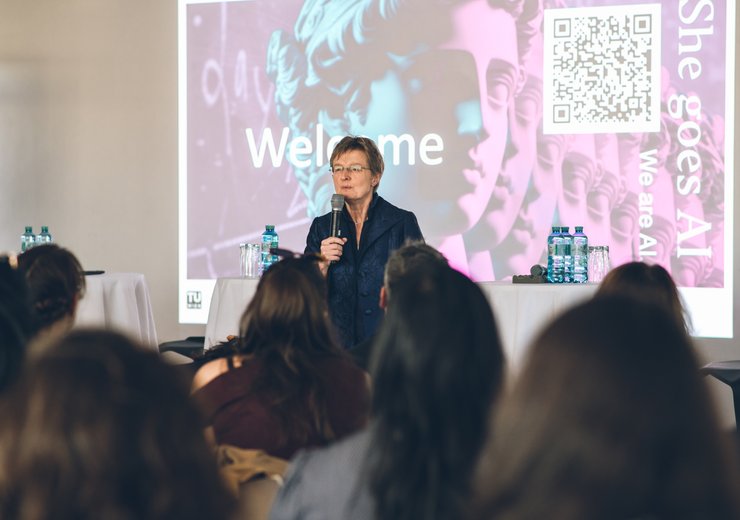
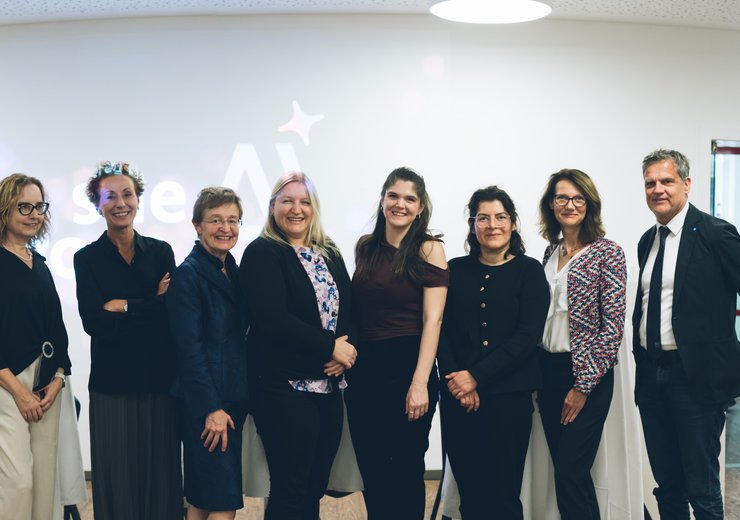
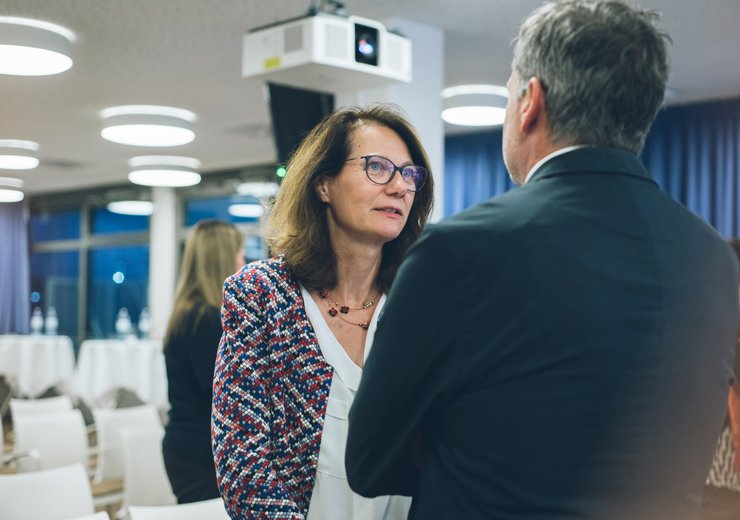
Role Models, Hands-on Experiences, and International Cooperation
The discussion made clear that supporting excellence in research requires more than funding individual projects. Competitive and stable research funding, greater freedom for ambitious research ideas, less bureaucracy, and faster recruitment processes were all identified as important conditions for attracting and retaining talent. Family-friendly working conditions and accessible childcare were also emphasized. Role models play an important part in showing young people what a career in technology can look like. Additionally, the panel stressed the importance of giving girls opportunities to engage with technology from an early age. “Offer more courses where kids can do things,” suggested Bettina Könighofer, explaining how hands-on experiences with technology can help make Computer Science more tangible and accessible. “It’s so great that we now have this new curriculum in Austria, where we have Computer Science and AI in schools. Have more such classes!”, she said.
International networks also play an important role. Agata Ciabattoni shared how Women in Logic creates opportunities for female researchers to present their work, while Tatjana Chavdarova discussed the global Women in Machine Learning network, which offers mentoring and travel grants to help women participate in leading conferences. Such initiatives can provide early-career researchers with supportive environments, valuable connections, and greater visibility. For Fariba Karimi, diversity is also fundamental to developing responsible AI. As she noted, many researchers at the forefront of trustworthy, fair, and responsible AI are women. She called for concrete measures, dedicated funding, and sustained institutional support to bring more girls and women into science.
What Role should Austria and Europe play?
The discussion also turned to Austria’s and Europe’s position in the rapidly developing AI landscape. Panelists called for a coordinated European approach to AI development, building on areas where Austria already has strong expertise, including trustworthy and secure AI. As Maria Christakis put it, Austria should focus on areas “where we can excel” rather than trying to compete on every front. In a second conversation, the event explored the role of regulation, with Krisztina Rozgonyi addressing the implementation of the EU AI Act and emphasizing the need for expertise, resources, and institutional coordination to put regulatory frameworks into practice.
The event concluded with the launch of a video campaign initiated by Informatik Austria, highlighting women working across the broader field of AI, from students and early-career researchers to professors, entrepreneurs, and industry professionals. With a planned series of videos, the initiative seeks to strengthen the voices of women and to inspire the next generation working on AI.
We sincerely thank all guests for their engaging contributions and questions, and extend our gratitude in particular to the panelists who made this event possible.
CURIOUS ABOUT OUR PANELISTS AND PROGRAM OF THE EVENT?
You can find detailed information on our panelists and the event here.
Curious about our other news? Subscribe to our news feed, calendar, or newsletter, or follow us on social media.