
#README: Digital Girls Hackathon 2026
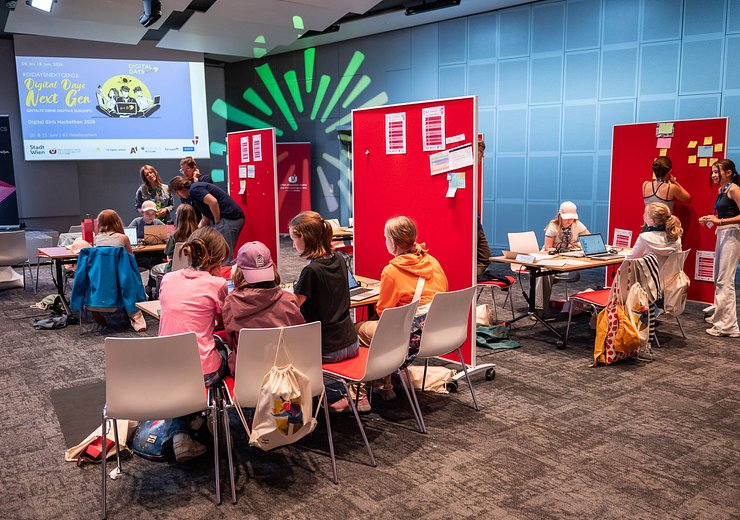
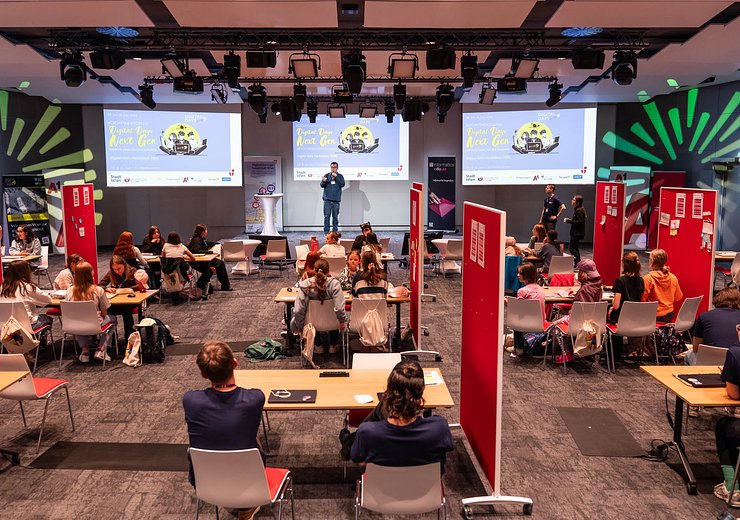
On 10–11 June, more than 50 girls, together with eduLAB mentors and researchers, came together for the Digital Girls Hackathon 2026!
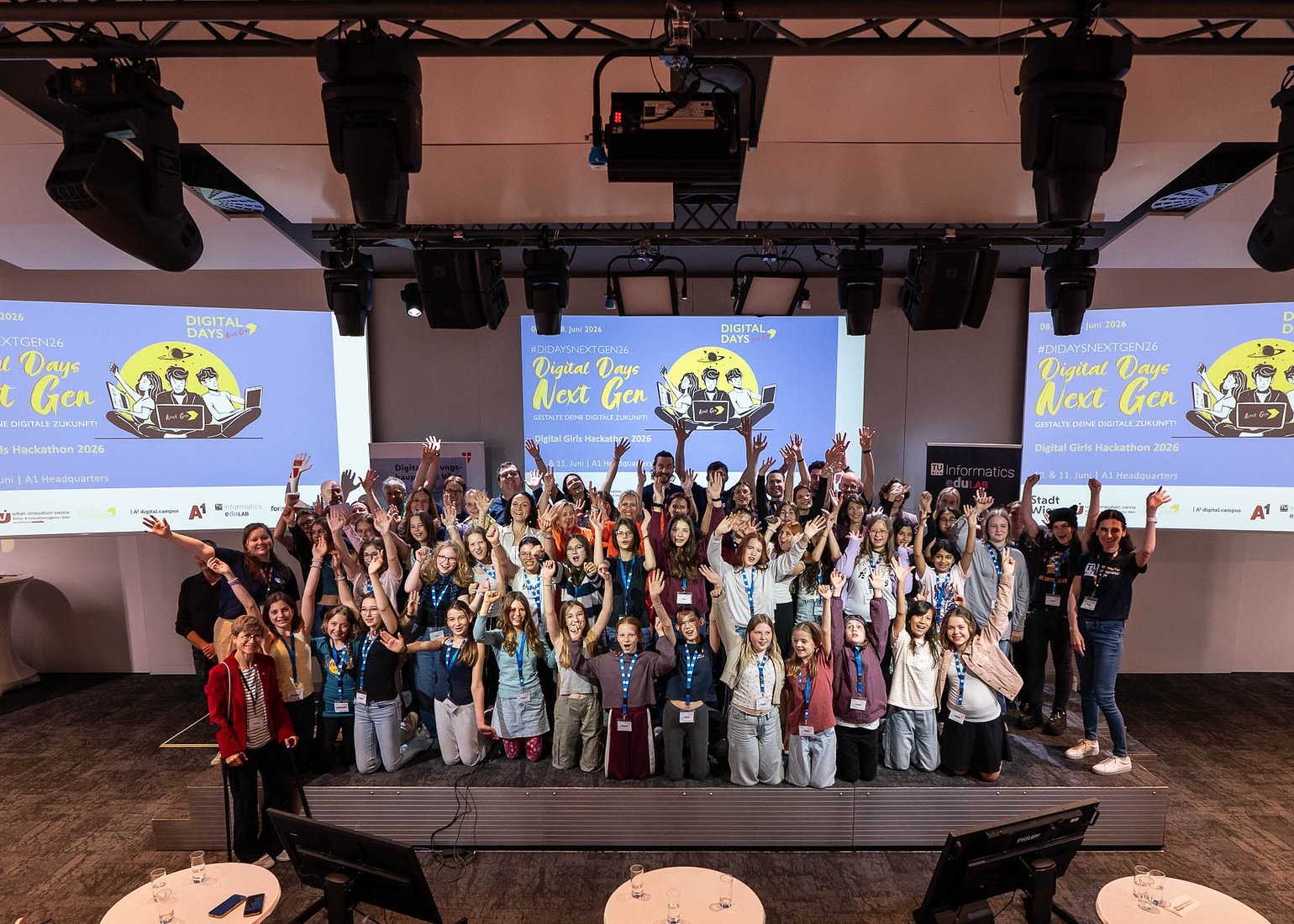
Picture: Jakub Han / Urban Innovation Vienna
What will the Vienna of the future look like? What ideas do young people have for their city? And how can digital technologies help turn these ideas into reality?
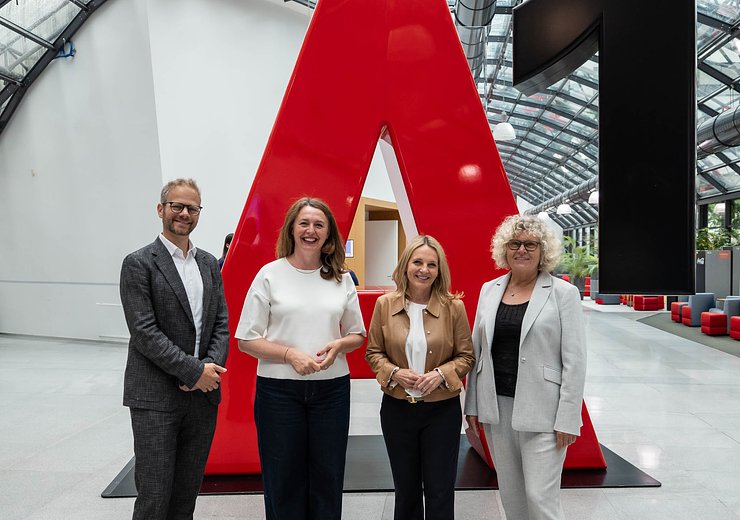
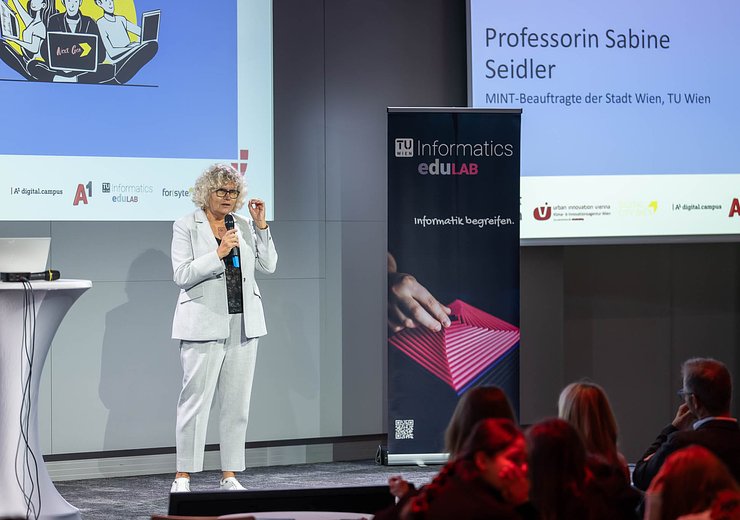
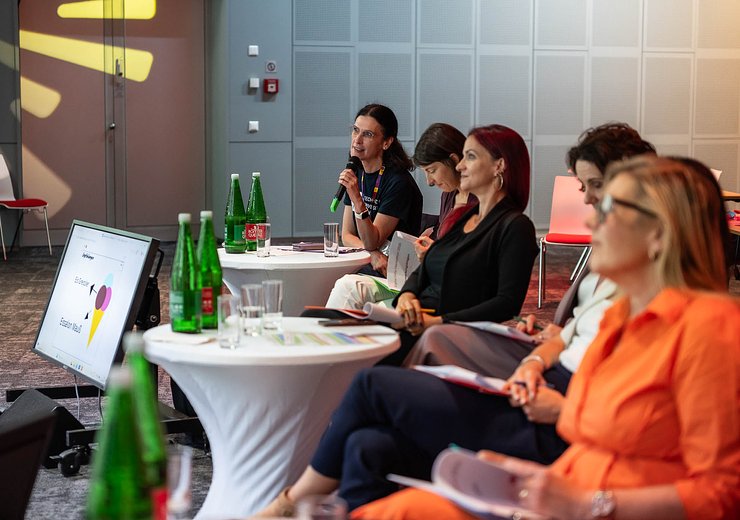
Around 50 girls between the ages of 11 and 13 explored these questions at the Digital Girls Hackathon 2026, held on June 10–11. The event was organized by Urban Innovation Vienna (UIV) on behalf of DigitalCity.Wien and the City of Vienna. The program was delivered in collaboration with the TU Wien Informatics eduLAB, led by René Röpke, and the Research Unit Formal Methods in Systems Engineering, led by Laura Kovács. The event took place at the A1 Campus in Vienna’s second district, at the invitation of A1, and was opened, among others, by Sabine Seidler, STEM commissioner of the City of Vienna and former Rector of TU Wien.
Using Scratch to develop their own ideas for the future
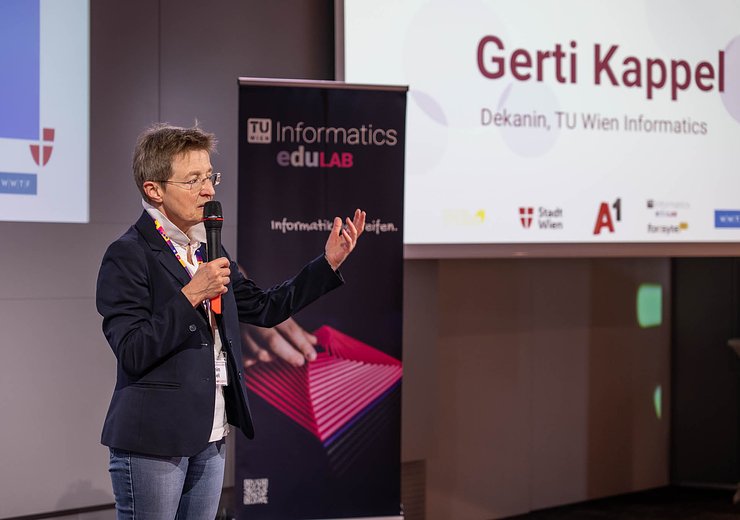
The focus of the two-day event was on how digital technologies can improve life in Vienna in the future. Working in small teams, the participants developed their own visions for the future of Vienna and transformed them into creative projects. They worked with the block-based programming language Scratch, which offers a particularly simple and playful introduction to the world of programming. Even without any prior knowledge, the pupils were able to create interactive applications, animations, and digital stories in no time, while putting fundamental concepts of computer science into practice. The hackathon focused on creative problem-solving, the collaborative development of ideas, and teamwork. The participants discussed challenges, developed solutions, and learned how innovative projects emerge through collaboration. Throughout the two days, they received support from mentors from eduLAB and researchers from the Faculty of Informatics at TU Wien. The Dean of the Faculty of Informatics, Gerti Kappel, and former Hedy Lamarr Award winner Martina Lindorfer also visited the hackathon to encourage the girls in their work and gain first-hand insight into the ongoing activities.
Creating early encounters with Informatics
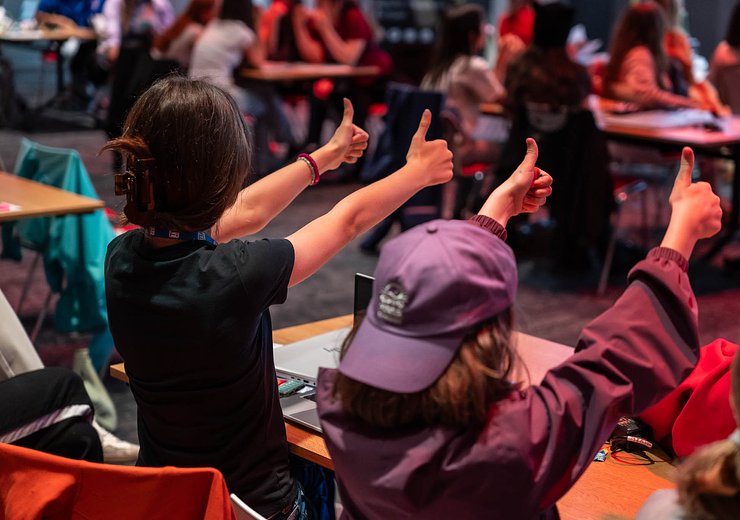
The Digital Girls Hackathon aims to provide girls with positive experiences in computer science and digital technologies from an early age. The hackathon offers low-threshold access to a field that is increasingly shaping society, yet in which women are still often underrepresented. To highlight the important role of women in computer science, the winning teams will be announced and honored at the Hedy Lamarr Award ceremony, the City of Vienna’s award for outstanding achievements in information technology by women. The numerous innovative ideas, the high level of motivation among the participants, and the dedicated collaboration of everyone involved made the Digital Girls Hackathon 2026 a great success. We would like to thank Urban Innovation Vienna, A1, DigitalCity.Wien, the City of Vienna, and all mentors and supporters for the great collaboration—and, in particular, the girls, who, with their ideas and team spirit, not only helped shape the Vienna of tomorrow but also made the hackathon a resounding success.
Our faculty members in action
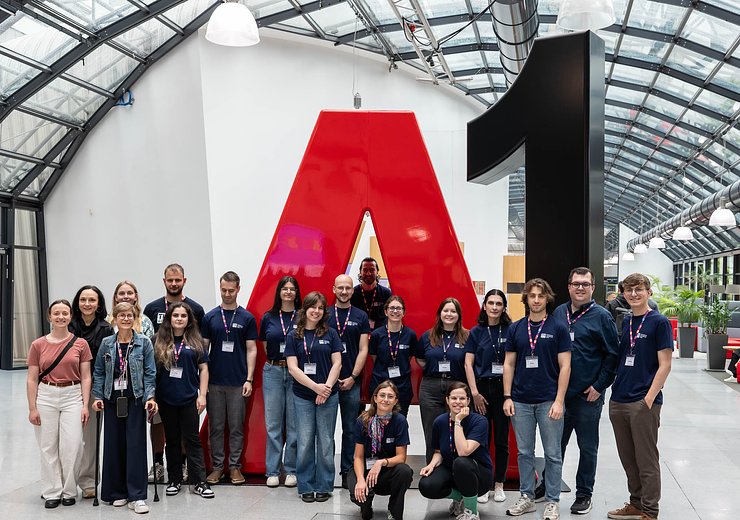
The hackathon was organized and run by the teams from the TU Wien Informatics eduLAB and the Research Unit Formal Methods in Systems Engineering. We thank everyone involved for making the Hackathon a tremendous success through their invaluable contributions and support: Ivana Bocevska, Jonas Bodingbauer, Robin Coutelier, Benjamin Deutsch, Gül Dikmen, Jessica Einzinger, Florentina Gara, Mathew Habdank-Wojewodzki, Sonja Klein, Lukas Lehner, Patrick Mairhofer, Merisa Mustajbasic, Klaus Nigsch, Juliane Päßler, Selina Reinhard, Felix Steinert, Markus Stöger, Eva Wagner, Evelyn Widmann, Lorenz Winkler, as well as René Röpke and Laura Kovács.
More updates and information about the Digital Girls Hackathon will be published on the eduLAB website.
Curious about our other news? Subscribe to our news feed, calendar, or newsletter, or follow us on social media.