
#README: Helmut Veith Awards 2026
The Helmuth Veith Stipend and the VCLA International Student Award recipients were honored at a celebratory Award Ceremony on April 30.
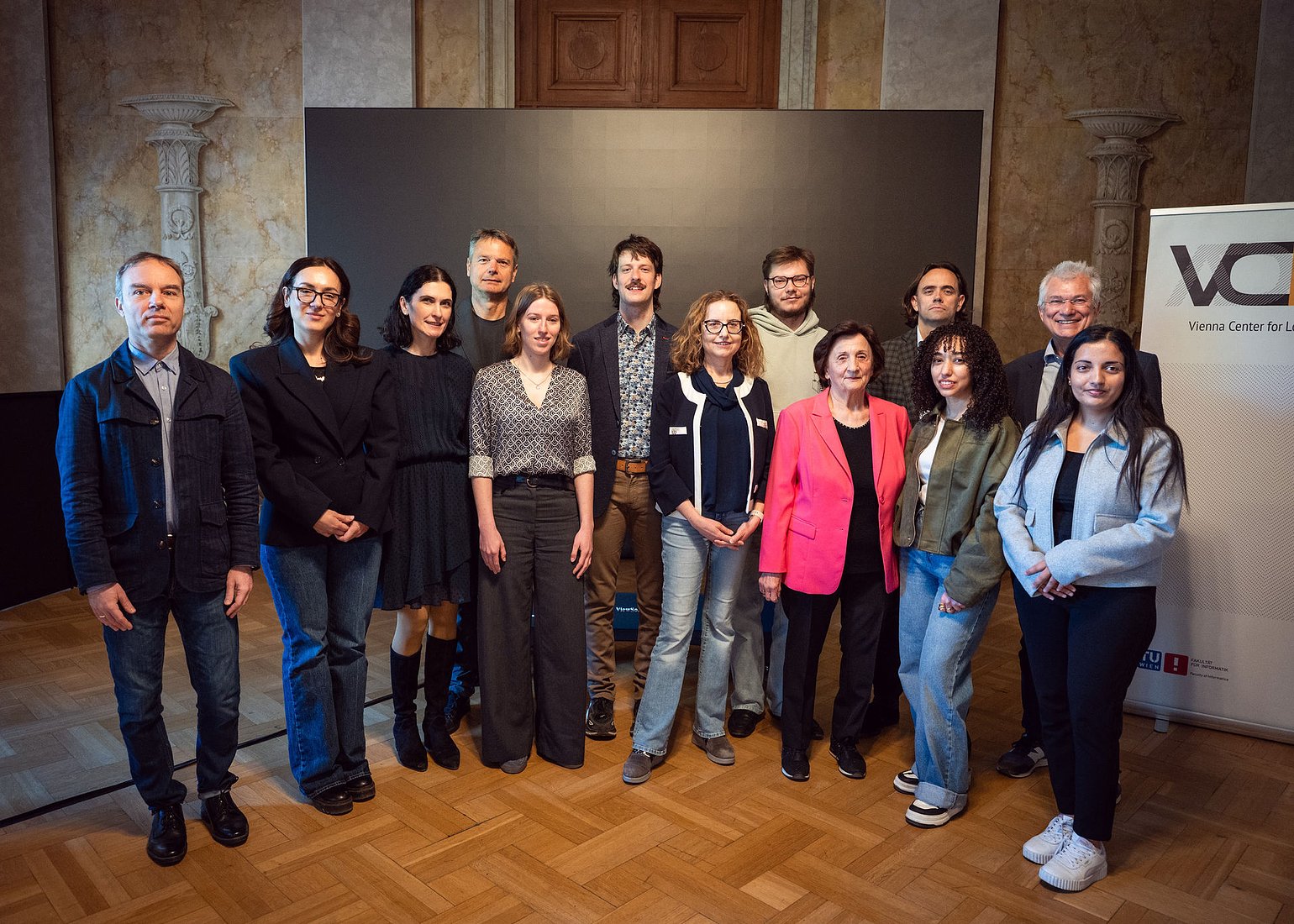
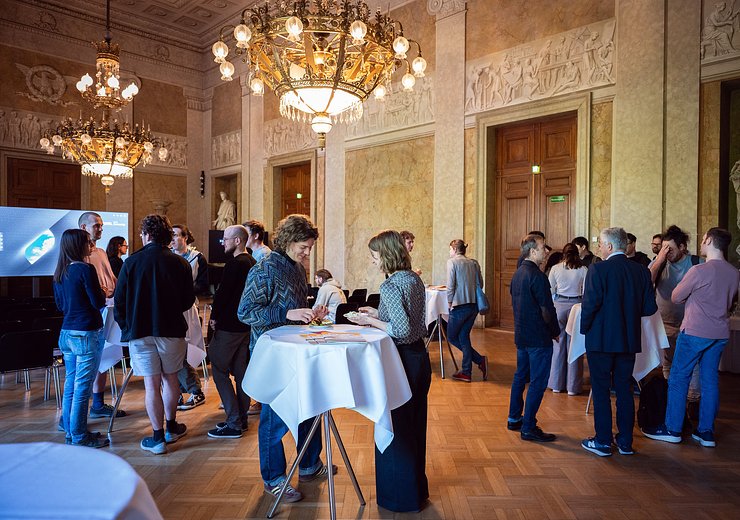
On April 30, the Helmuth Veith stipend and the Vienna Center for Logic and Algorithms (VCLA) International Student Award recipients were honored at a celebratory ceremony at TU Wien’s Festsaal.
The Helmut Veith Stipend is given annually to exceptionally talented female students coming to Vienna from abroad to take up a master’s program in Informatics at TU Wien. With the support of the Wolfgang Pauli Institut, two stipends were awarded this year from a pool of 140 applicants. An acceptance rate of approximately 1.5% underscores the stipend’s highly competitive nature and prestige. To further honor the legacy of Helmut Veith, we also celebrated the winners of this year’s VCLA International Student Awards. These awards recognize outstanding undergraduate and master’s theses in Logic and Computer Science, supporting promising students worldwide at the onset of their scientific careers.
Georg Weissenbacher opened and moderated the award ceremony, which the family of Helmut Veith also attended. Norbert Mauser, Director of the Wolfgang Pauli Institut (WPI), offered some opening words and reflected on Helmut Veith’s legacy and his role at the WPI, as well as his founding role at the VCLA. He underscored the importance of the stipends in attracting internationally competitive students to informatics in Austria and acknowledged TU Wien’s support for the Helmut Veith stipends through its grant to the VCLA. Maximilian Richter, representing the Federal Ministry of Women, Science and Research—which co-funds the stipends through its grant to the WPI—emphasized the ministry’s support for the stipends as a best-practice example within the “She Goes AI” initiative. He also highlighted the effective use of the ministry’s funding and expressed his personal recognition of the two HV stipend recipients.
All speakers emphasized that the stipend recipients represent excellence, commitment, and intellectual curiosity, while also embodying what becomes possible when talent is supported and opportunities are genuinely accessible. The stipend recipients serve as role models for young women in Austria and across Europe, demonstrating pathways that others can follow. At the same time, it was noted that lasting change does not occur automatically, but requires sustained commitment from universities, policymakers, researchers, and society as a whole.
Maximilian Richter praised the Helmut Veith stipends as “a celebration of academic excellence, determination, and the importance of creating real opportunities for women in computer science, technology, and artificial intelligence. We know that women don’t lack talent, curiosity, or ambition in these fields. What stands in the way are our stereotypes, outdated expectations, and the persistent belief that computer science and technology are not natural paths for women. That is the problem—and it’s where we need to take action.”
Norbert Mauser highlighted the institute’s role as co-financier of the Helmut Veith stipends and its broader commitment to supporting female researchers at critical stages of their careers. He emphasized that the institute’s focus on identifying where support has the greatest impact and on developing concrete, effective measures. He stressed the importance of participation in international conferences, which is essential for academic advancement but often entails significant logistical challenges when professional obligations must be coordinated with family responsibilities. In such cases, the institute provides practical and flexible support, including targeted funding to cover travel costs for children and caregivers without creating financial or legal disadvantages. These measures were presented as important contributions toward increasing the representation of women in STEM fields.
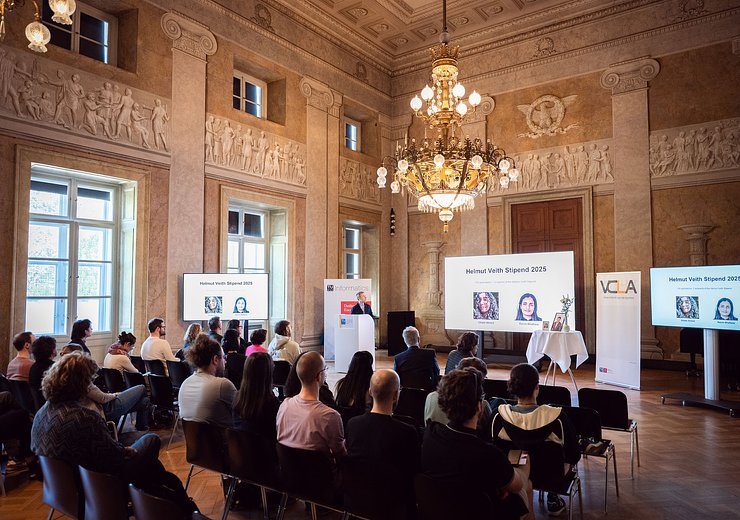
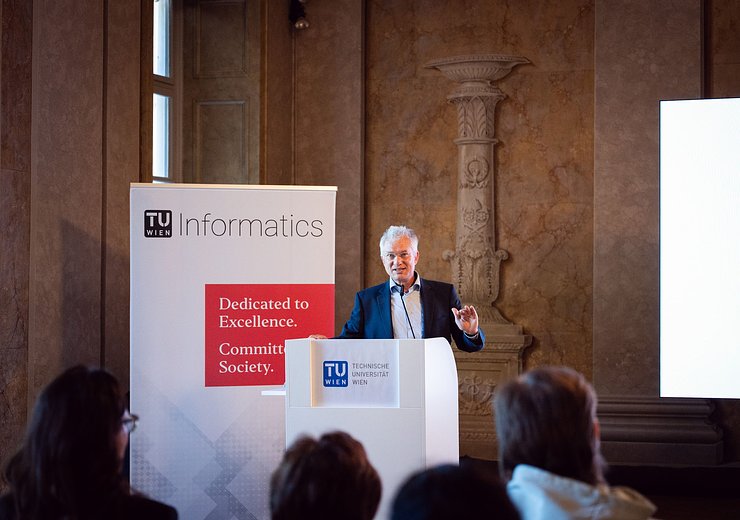
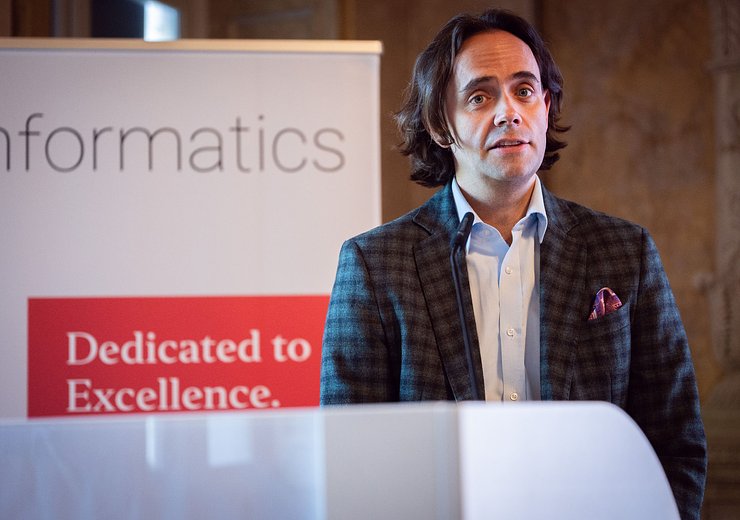
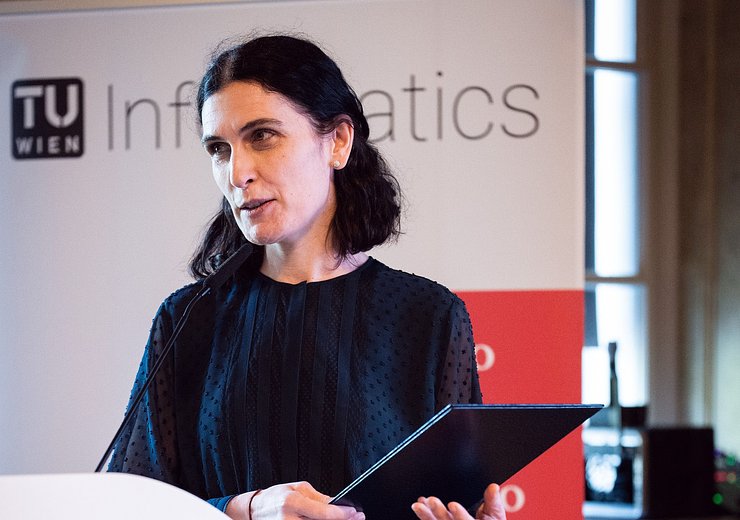
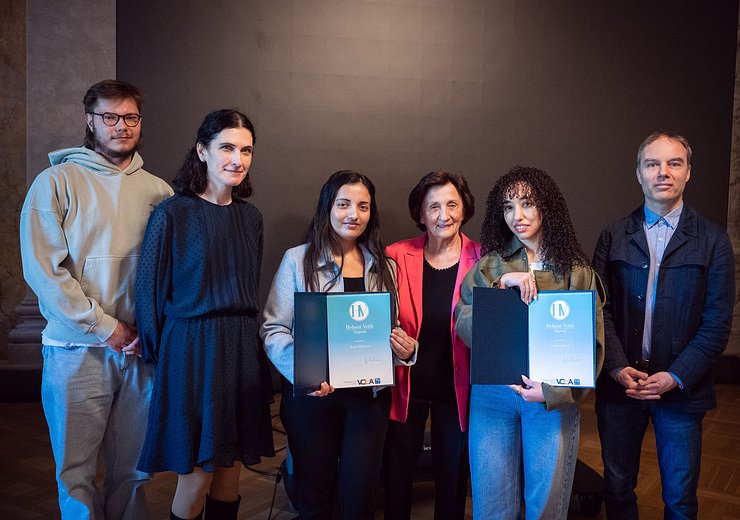
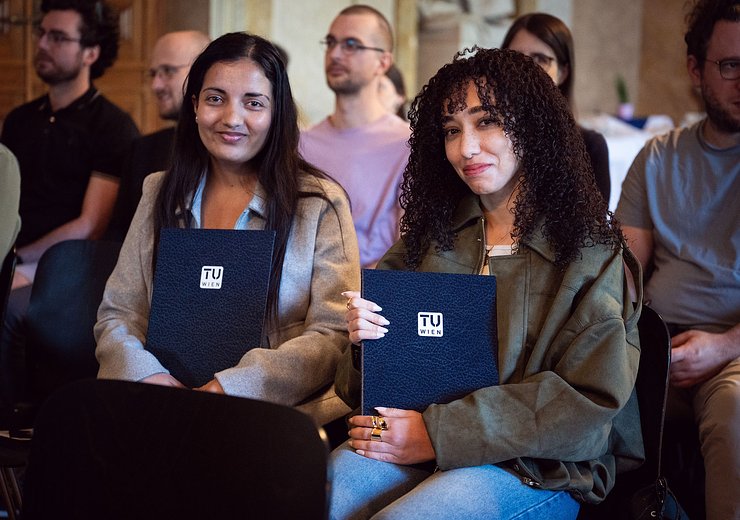
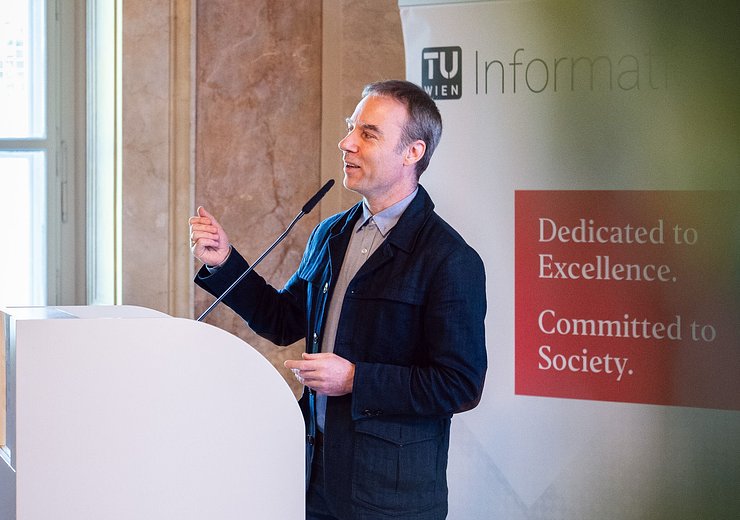
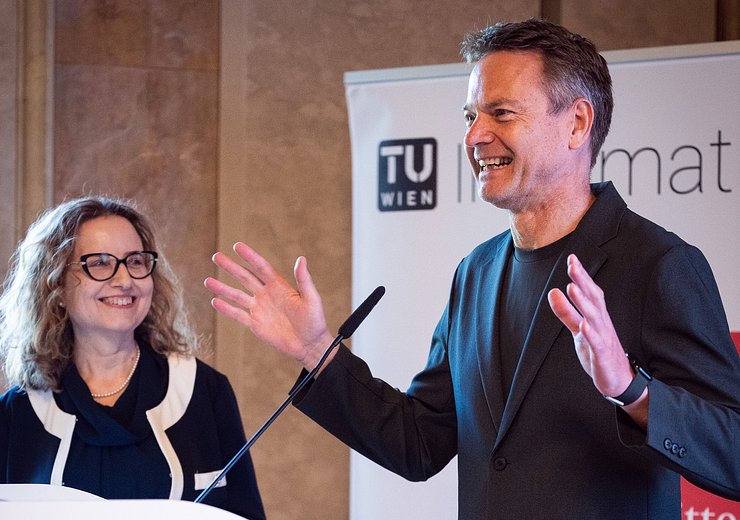
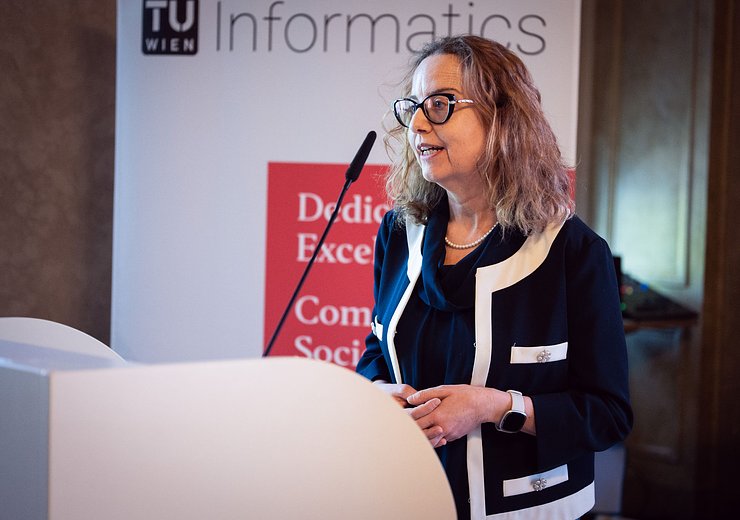
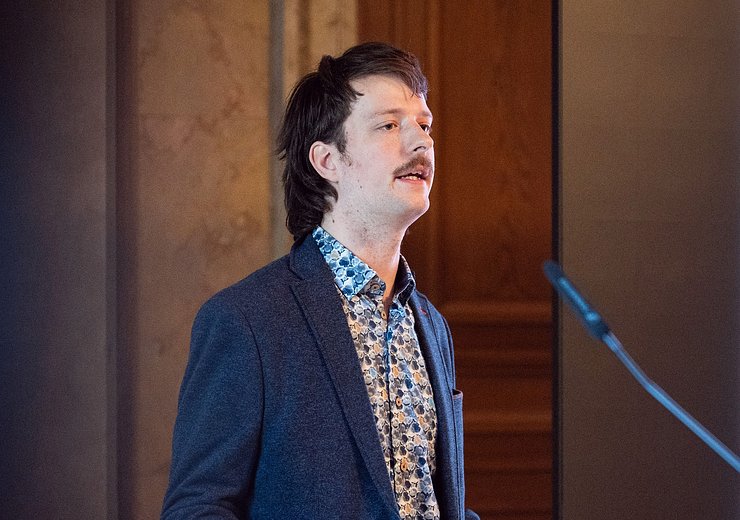
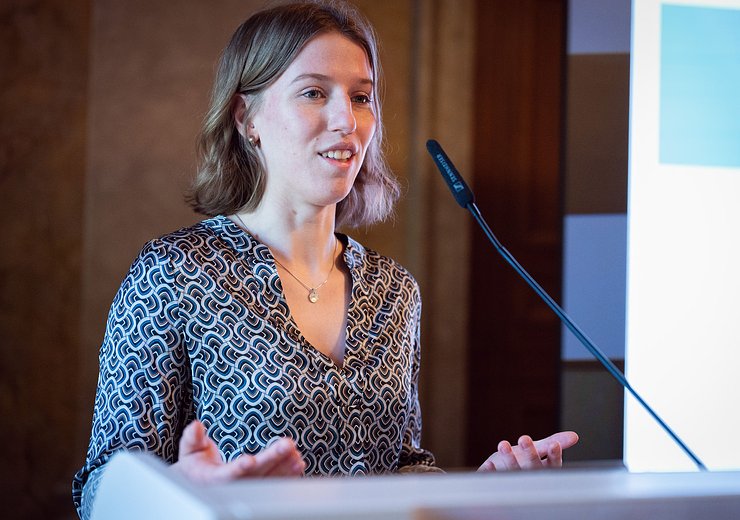
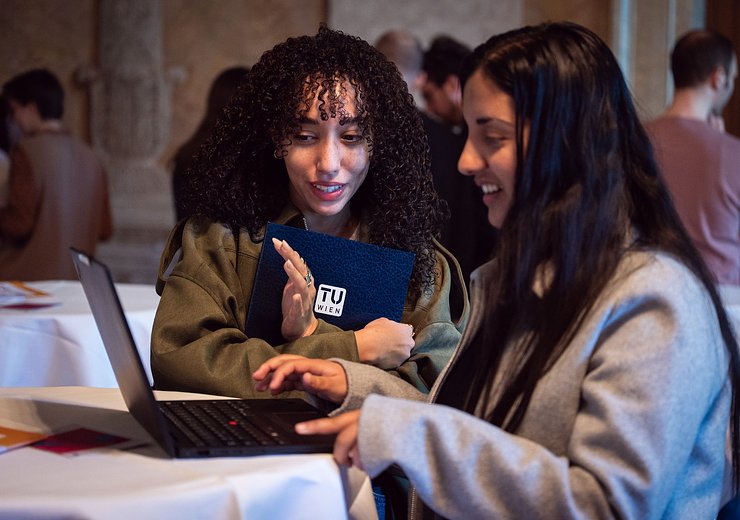
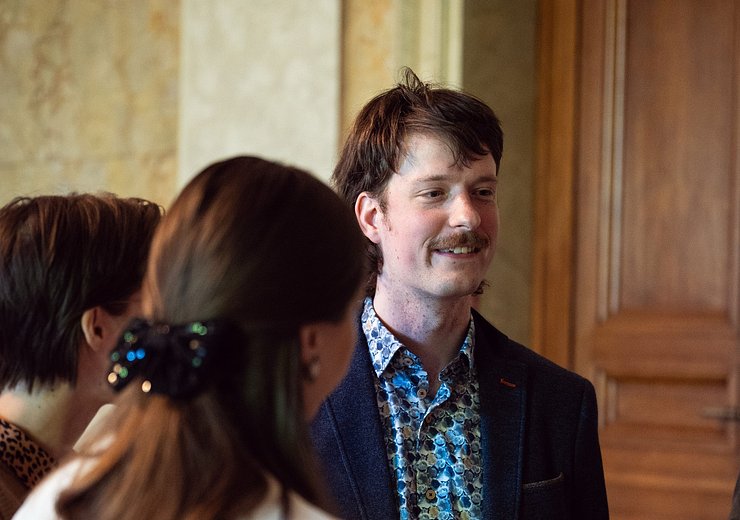
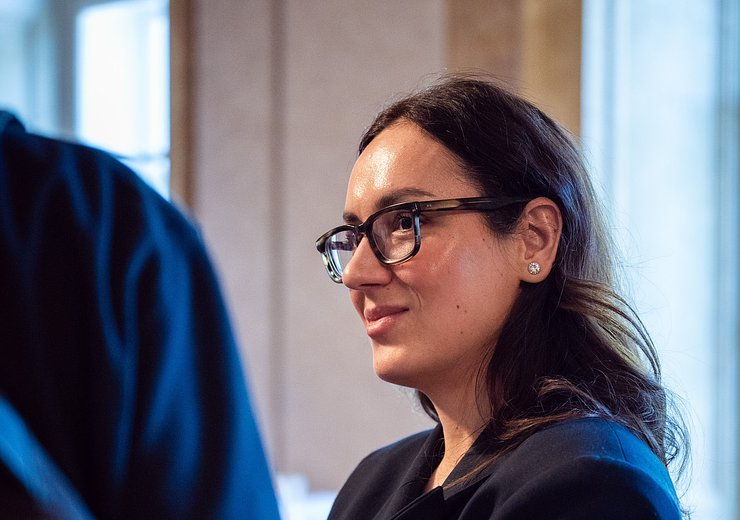
During the stipend presentation, Laura Kovács shared personal anecdotes and memories of Helmut Veith, emphasizing his characteristic spontaneity and creativity, often recalling how he would approach new ideas and turn them into reality quickly. She used this reflection to highlight the spirit that continues to shape the community: the importance of fostering creativity, passion, and enjoyment in logic and computation.
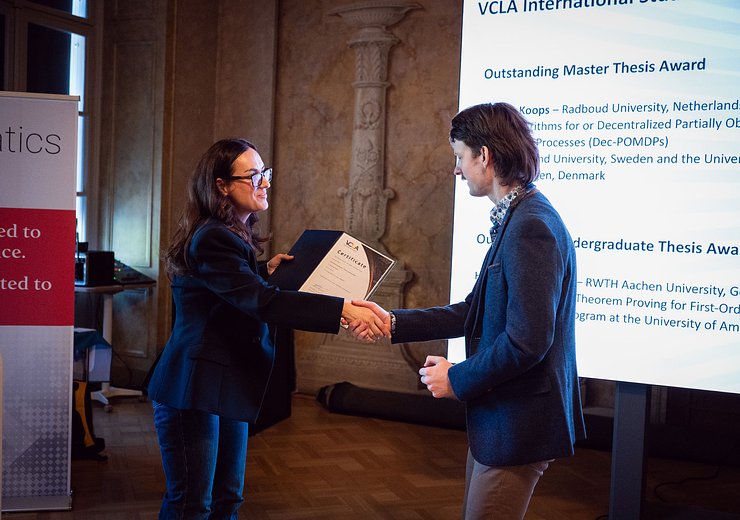
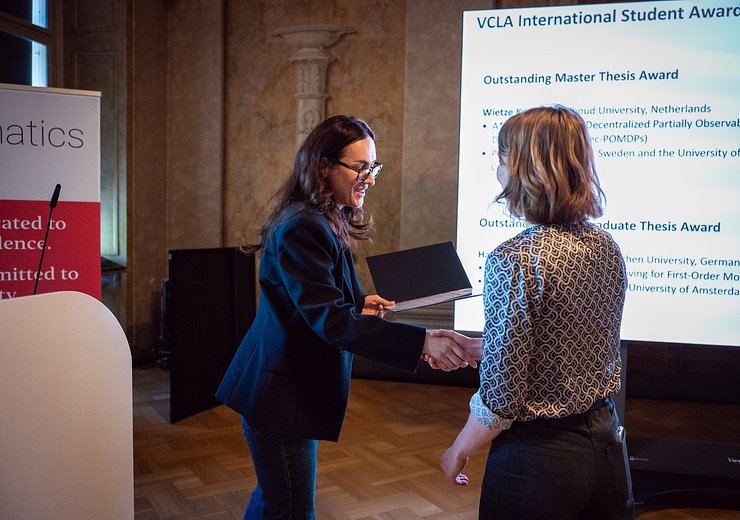
This was followed by remarks from VCLA co-chairs Stefan Szeider, who founded the VCLA with his late colleague Helmut Veith, and Agata Ciabattoni, who spoke about the Vienna Center for Logic and Algorithms and Veith’s lasting impact. The program then continued with Shqiponja Ahmetaj, who introduced and presented the VCLA International Student Awards, highlighting the challenging, highly collaborative process of selecting the best bachelor’s and master’s theses for the awards. She highlighted the dedication and careful work of the program community, who reviewed and discussed a large number of submissions to determine the awardees, and expressed sincere gratitude for their sustained commitment and effort. She then presented this year’s student awards. Following the introduction by Shqiponja Ahmetaj, the VCLA International Student Awards were presented to Wietzke Koops and Hannah Louise Wilk. Both awardees introduced their award-winning theses to the audience, offering insights into their research contributions in Logic and Computer Science.
The award ceremony was concluded by a few closing remarks from Georg Weissenbacher, after which the attendees were invited to continue the afternoon in an informal setting, engaging in discussions and networking over drinks and refreshments.
About the Helmut Veith Stipend Holders
Ghada Ahmed
Ghada is from Egypt, where she completed her Bachelor’s degree in Electronics and Communication Engineering, with a minor in Computer Science, at the American University in Cairo. After graduating, she found few local opportunities to work in her field. She therefore spent two years in the cybersecurity industry—an experience she values, though it did not fully align with her deeper interest in embedded systems engineering. Rather than pursuing a path that did not reflect her core interests, she deliberately stepped outside her comfort zone, leaving behind her job, family, and friends to pursue a Master’s degree in Embedded Computing Systems Engineering. This decision was driven not only by academic ambition but also by a genuine desire to build a career around work that excites her, while immersing herself in a new culture and broadening her professional and personal perspective.
Rasmi Bhattarai
Rasmi Bhattarai received her Bachelor’s degree in Computer Engineering from the IOE Western Regional Campus in Pokhara, Nepal, in 2023. During her undergraduate studies, she worked on machine learning and computer vision projects, including image classification with deep learning. After graduating, she gained industry experience as an AI Engineer, working on conversational AI, natural language processing, and emerging agentic systems. Her work included developing chatbot solutions for applications in banking, insurance, and healthcare. She has also contributed to the tech community by leading initiatives and delivering machine learning workshops, and serving as a Production Manager for GitHub Field Day Nepal. She is currently pursuing her Master’s degree in Data Science at TU Wien and works as a Student Assistant at the dataLab. Her interests lie broadly in artificial intelligence, particularly in natural language processing and the development of impactful data-driven systems.
About the VCLA International Student Awardees
Wietze Koops
The Outstanding Master Thesis Award went to Wietze Koops for his master’s thesis A Algorithms for Dec-POMDPs under the supervision of Sebastian Junges and Nils Jansen. Wietze is currently a PhD student in the Mathematical Insights into Algorithms for Optimization (MIAO) group under the supervision of Jakob Nordström at Lund University and the University of Copenhagen. His current research interests include combinatorial optimization, in particular pseudo-Boolean optimization, and proof logging. His goal is to develop solvers that are not only fast but also give results that can be proven correct using a formally verified checker.
Hannah Louise Wilk
The Outstanding Undergraduate Thesis Award went to Hannah Louise Wilk for her bachelor’s thesis Translation-Based Theorem Proving for First-Order Modal Logic under the supervision of Gerhard Lakemeyer and Shakil M. Khan. Hannah Louise is currently in her second year of the Master of Logic program at the University of Amsterdam, with a focus on logic in computer science. Her main interests include automated theorem proving, type theory, modal logic, and knowledge representation and reasoning. Recently, she has been studying how modal variants of the situation calculus can enhance its expressive power.
Curious about our other news? Subscribe to our news feed, calendar, or newsletter, or follow us on social media.