
Vienna International Ethical Hacking Boot Camp 4.0
140 hackers. Twelve countries. One week of challenges.
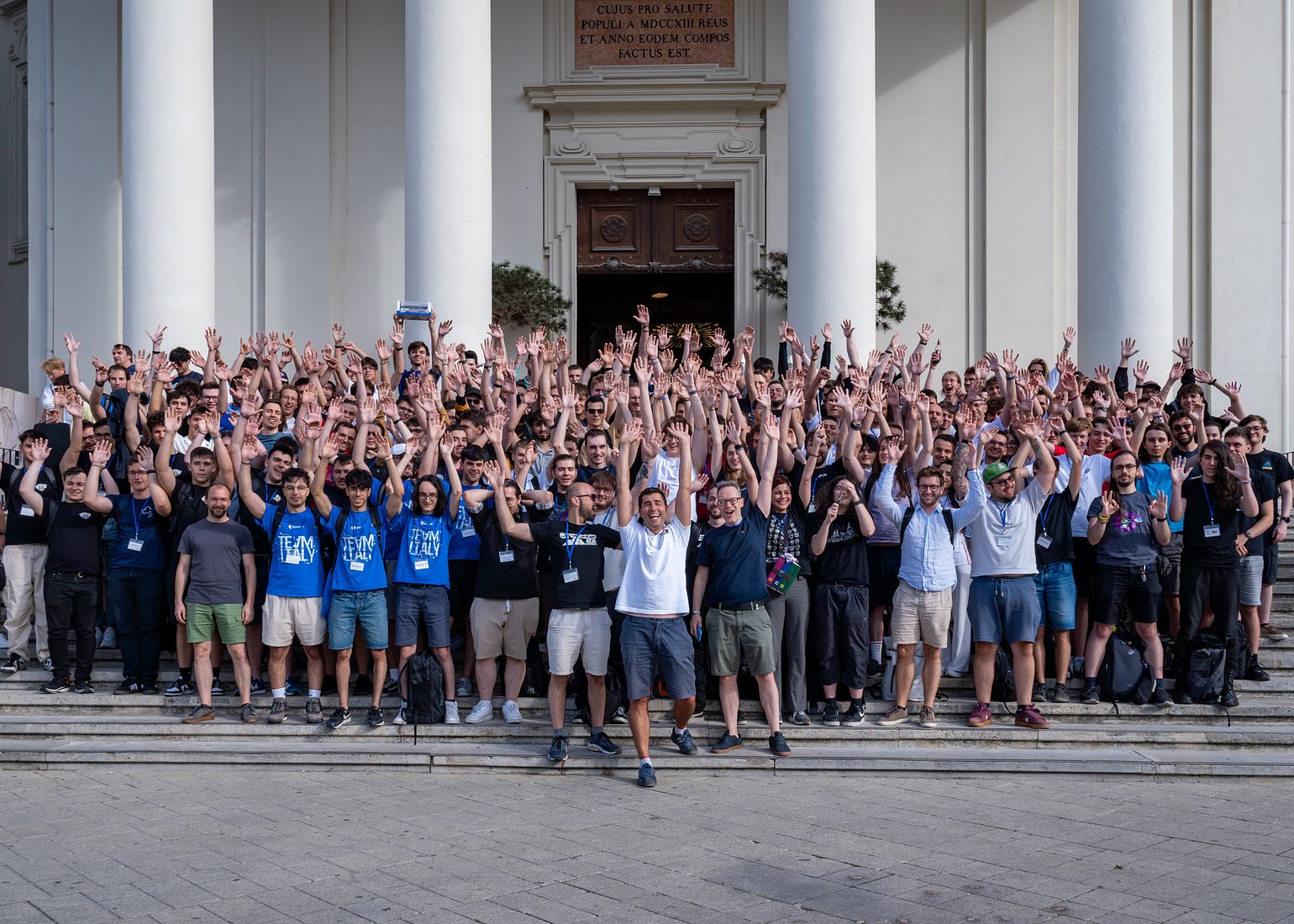
Picture: Marco Squarcina
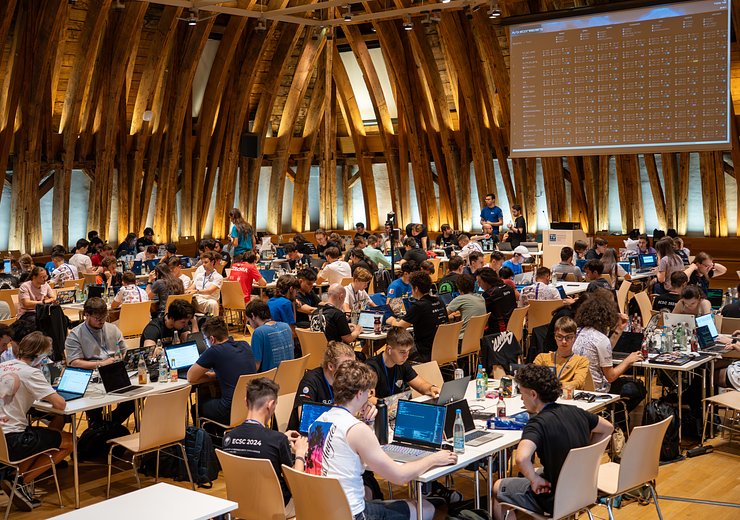
Last week, TU Wien hosted its Vienna International Ethical Hacking Boot Camp for the 4th time. Organized by TU Wien’s Cybersecurity Center and the non-profit organization Cyber Security Austria, the bootcamp brought together national ethical hacking teams from twelve European countries, including Team Austria, Croatia, the Czech Republic, Denmark, Hungary, Kosovo, Romania, Slovakia, Slovenia, Serbia, Switzerland, and Italy. Over four days of intensive hands-on training and international exchange, participants strengthened their technical skills, shared knowledge, and collaborated, strengthening Vienna’s position as a hub for cybersecurity education and research.
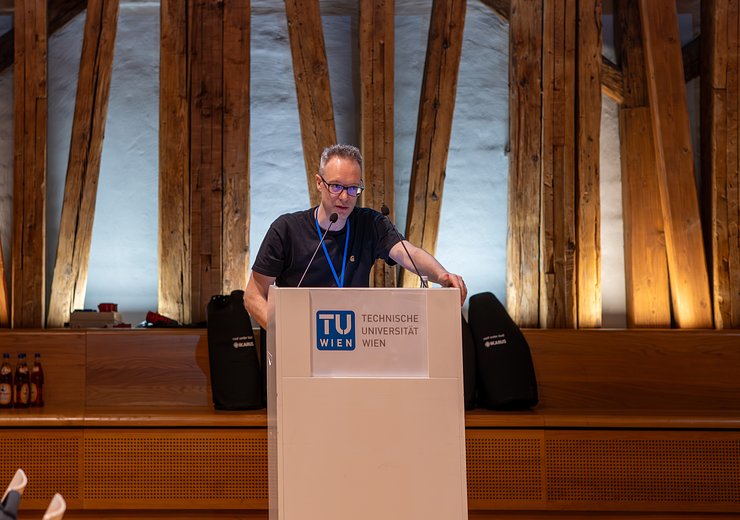
TU Wien Rector Jens Schneider, Faculty Representative for Research and Infrastructure Peter Puschner, and TU Wien Cybersecurity Center Coordinator Matteo Maffei welcomed the participants, emphasizing the importance of cybersecurity education and research at TU Wien. On the third day, Luca Tagliaretti, Executive Director of the European Cybersecurity Competence Centre, joined the bootcamp online to greet participants and highlight the importance of initiatives that foster Europe’s next generation of cybersecurity experts.
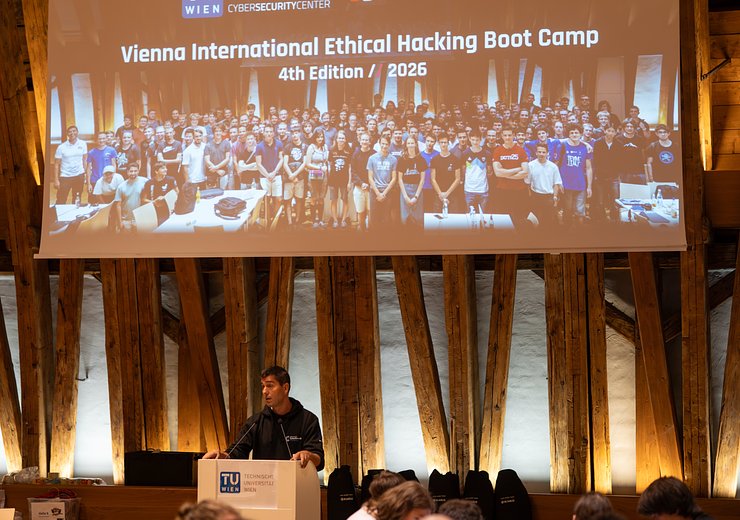
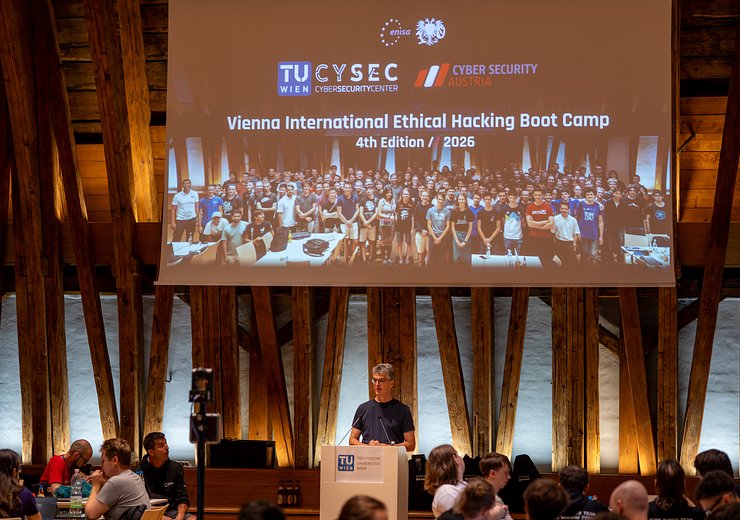
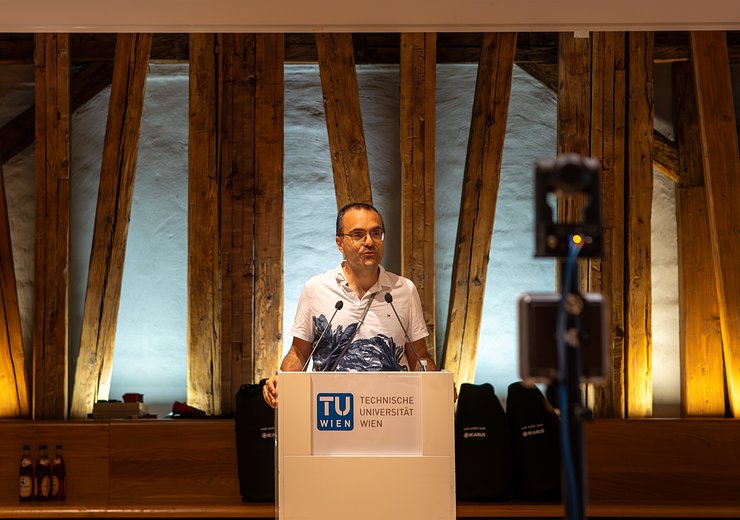
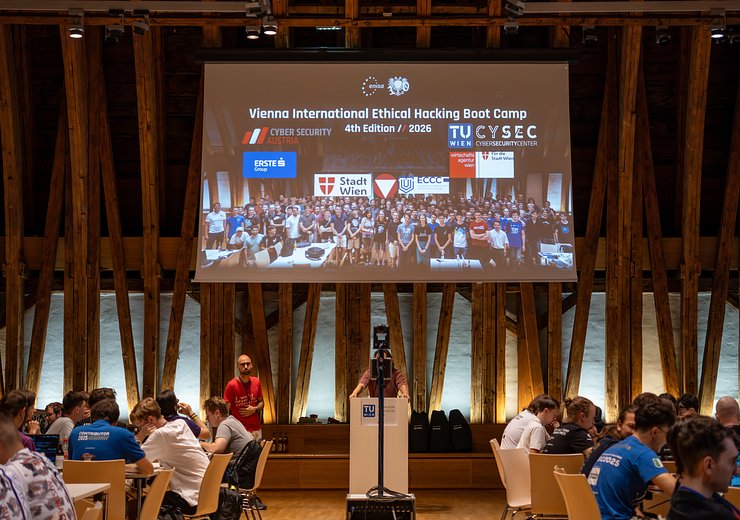
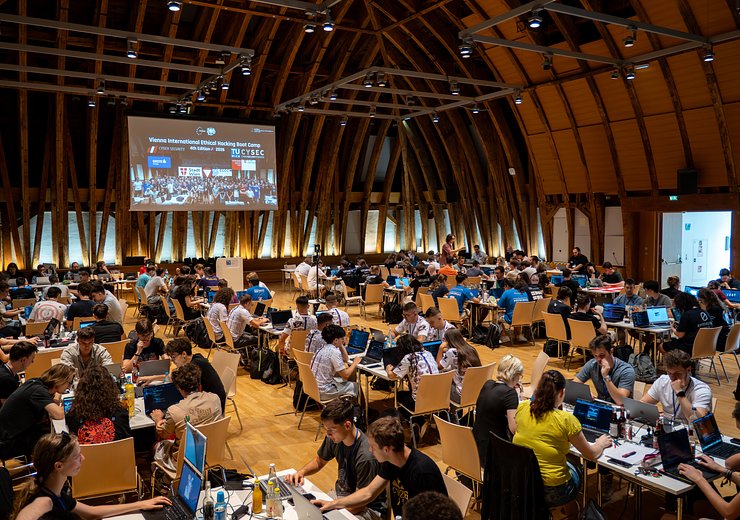
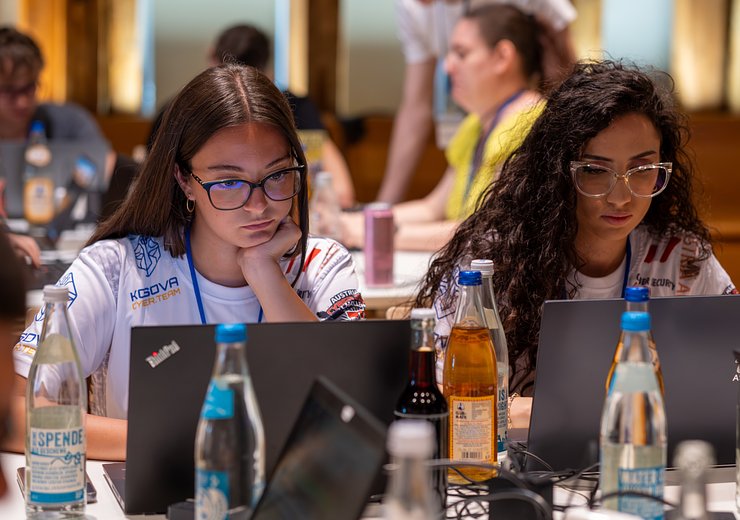

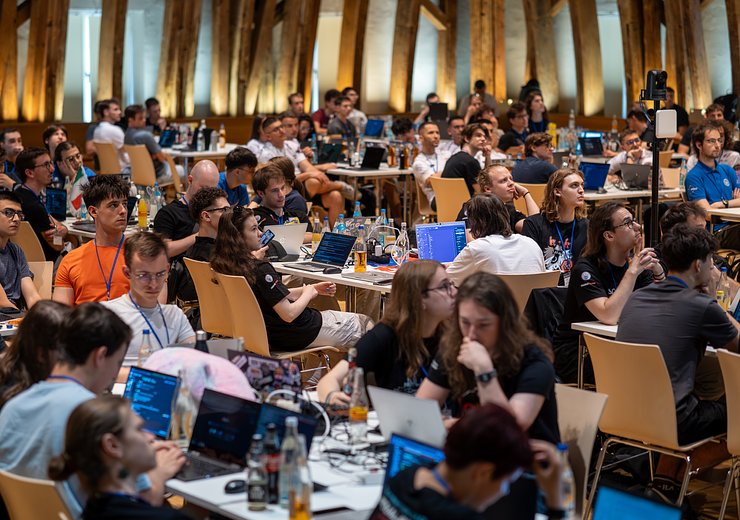
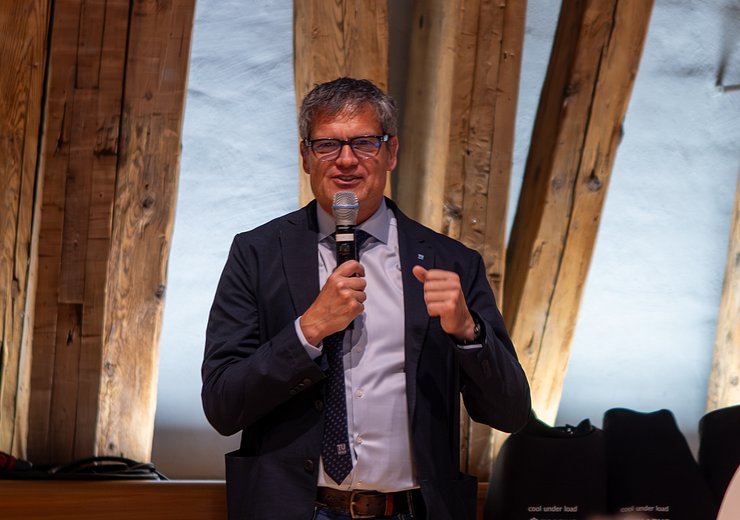
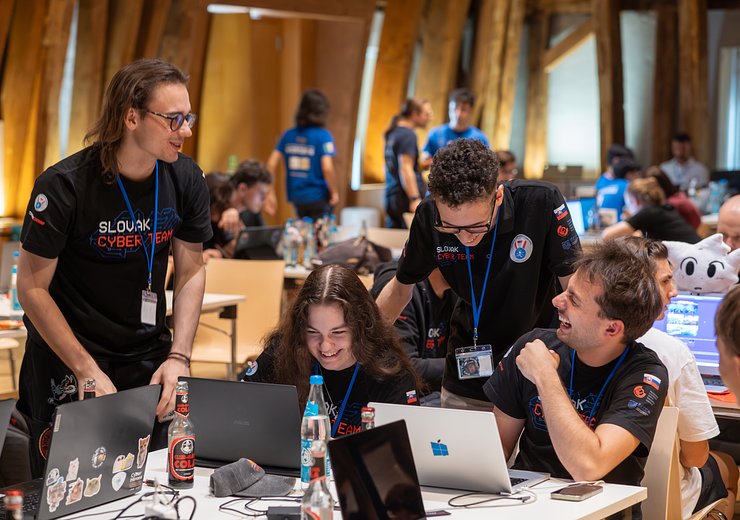
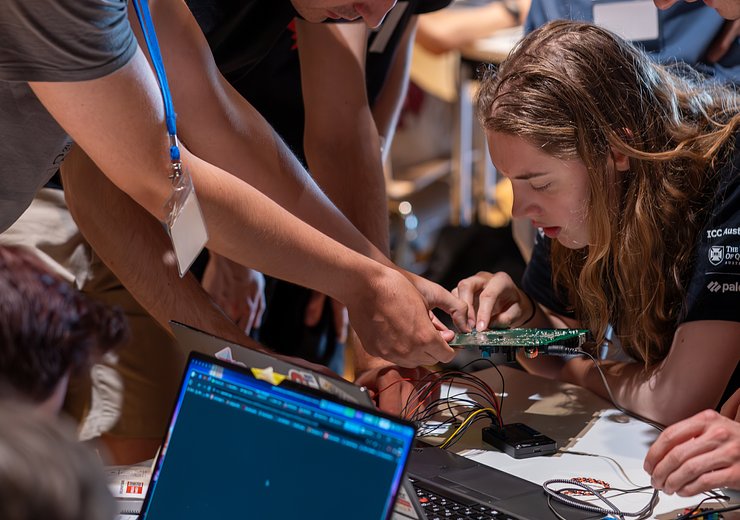
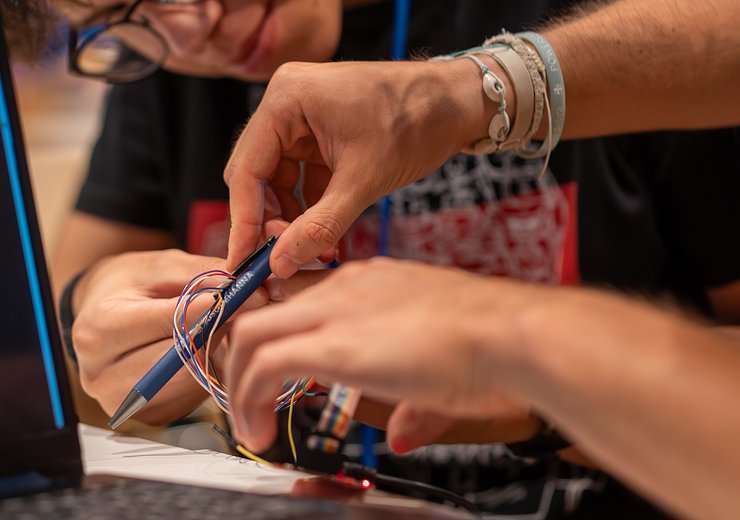
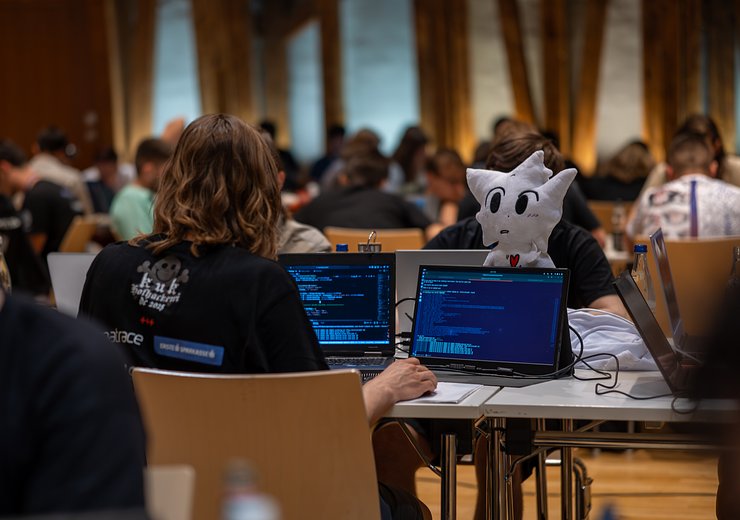
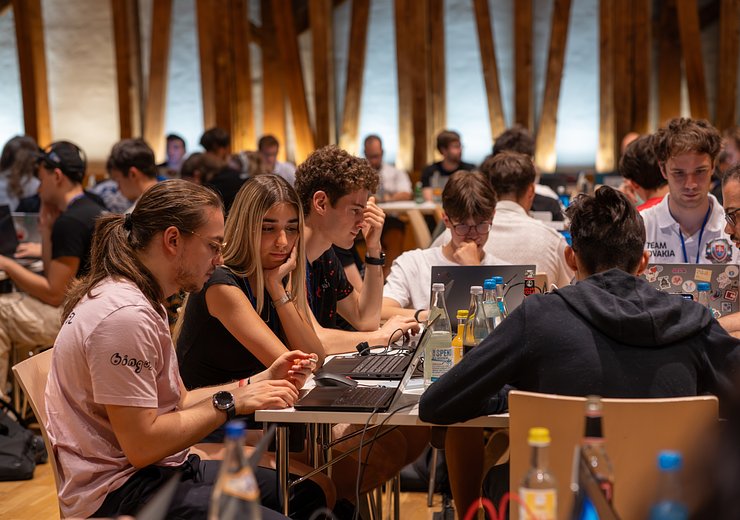
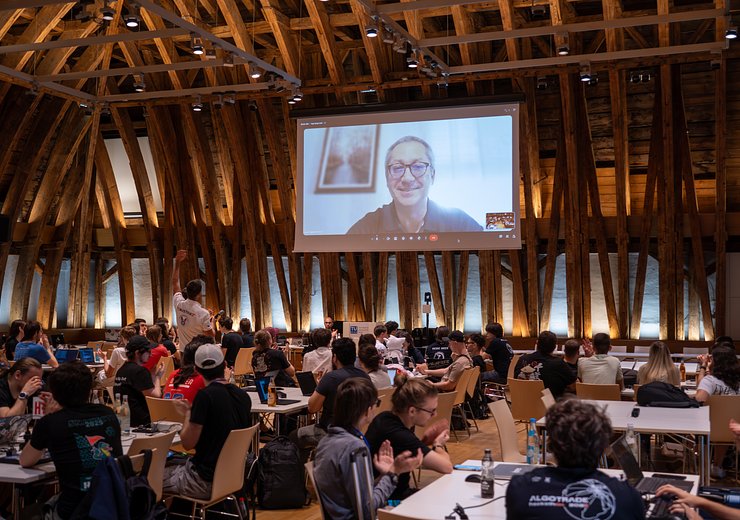
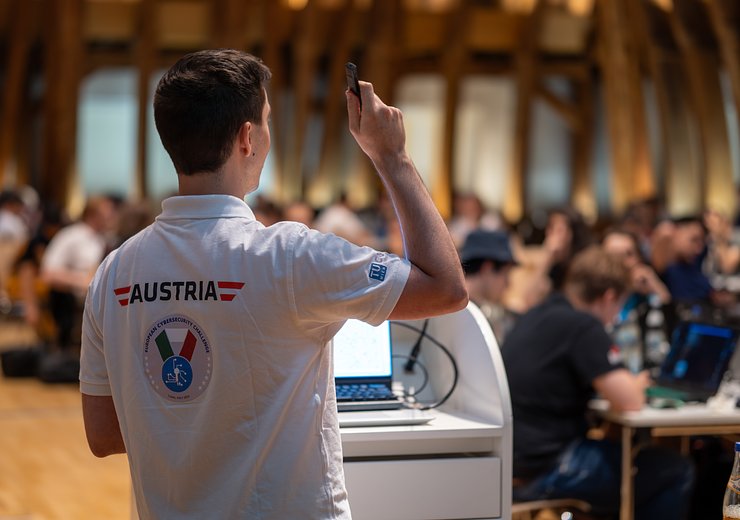
Throughout the four-day program, participants explored a broad spectrum of cybersecurity topics through expert-led talks and hands-on workshops. Philippe Dourassov (pilvar) introduced participants to building AI agents for hacking, while Matthias Pleschinger (Popax21) shared insights from his vulnerability research in the V8 JavaScript engine. Jacopo Ferrigno (dipusone) guided attendees through the fundamentals of hardware hacking, Dragos Albastroiu (adragos) demonstrated advanced web exploitation techniques, and Georg Felber (0x6fe1be2, gfelber) led a workshop on Linux kernel exploitation.
A particular highlight was the collaborative Capture The Flag (CTF) exercise on the second day. Rather than focusing solely on competition, the CTF encouraged participants to work together on realistic cybersecurity challenges, exchange ideas, and learn from one another. Many of the challenges were developed by TU Wien students as part of their coursework, demonstrating how student projects can extend far beyond the classroom. These challenges not only served as valuable learning tools but also contributed directly to advancing the skills of Europe’s next generation of cybersecurity experts. By providing a platform for young cybersecurity talents from across Europe to share knowledge and experiences, the Vienna International Ethical Hacking Boot Camp fosters international collaboration and supports the development of future experts in the field
Acknowledgments
The bootcamp is supported by the European Cybersecurity Competence Centre, the City of Vienna, the Vienna Business Agency, Erste Group, and the Austrian Armed Forces.
Special thanks go to Marco Squarcina, a leading figure in the European ethical hacking community. He has organized the European Cyber Security Challenge (ECSC) in Vienna in 2022, offered advanced training sessions for Team Europe, and co-organizes the Austria Cyber Security Challenge (ACSC) while serving as head coach of the Austrian national team. Our thanks also go out to Joe Pichlmayer, chairman of Cyber Security Austria, Manuel Reinsperger, Lorenzo Veronese, Felix Roithmayr, Johannes Simon, Dominik Apel, student staff, and all of the coaches, trainers, and challenge authors.
Curious about our other news? Subscribe to our news feed, calendar, or newsletter, or follow us on social media.