
AI Festival: Reflections
How does Artificial Intelligence think, work, and shape our lives? Our AI Festival at the end of last year turned big questions into shared conversations.
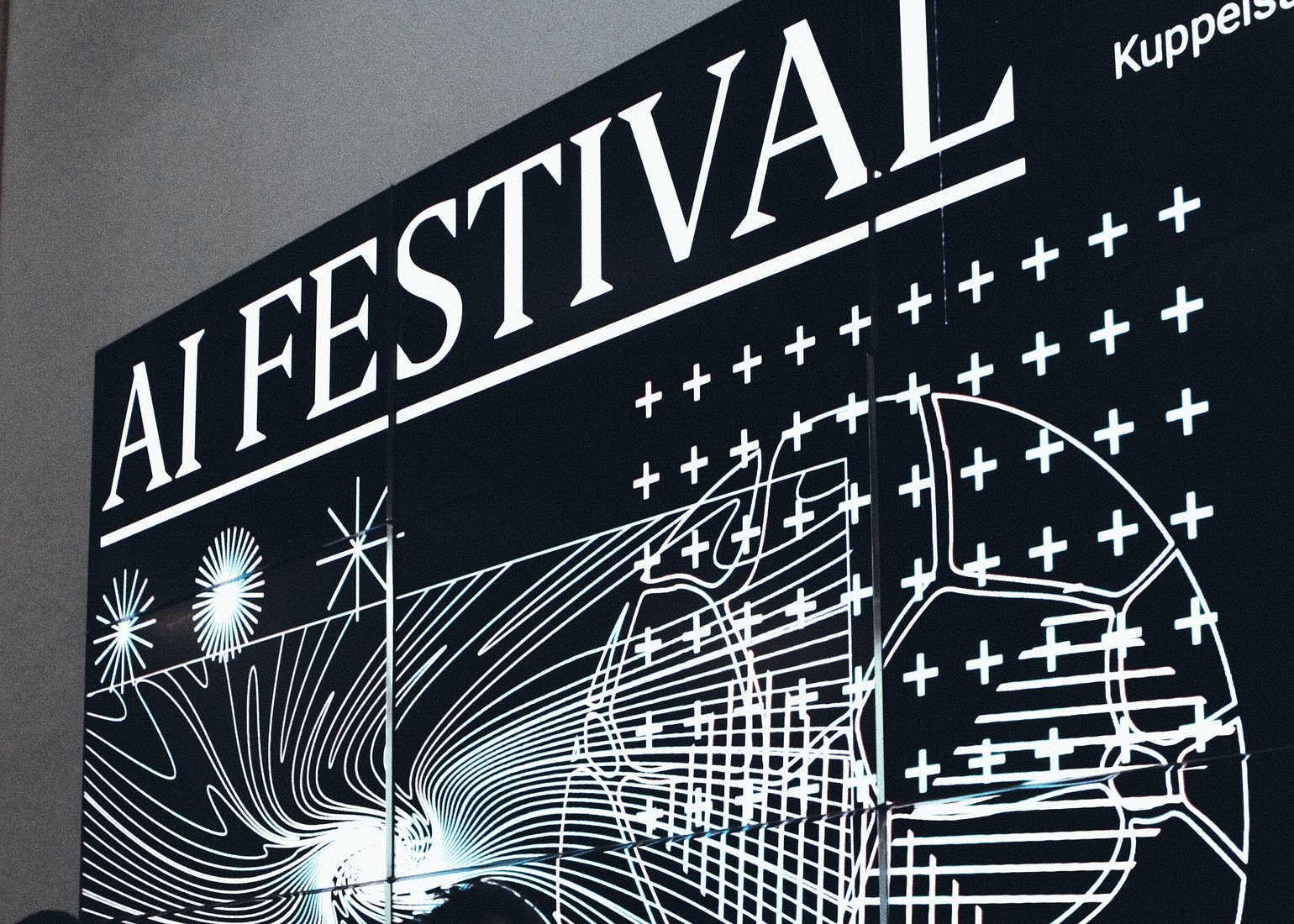
In early December, we hosted a three-day AI Festival that brought together leading researchers and industry experts to explore how artificial intelligence is reshaping science, industry, and society. Across keynotes, panels, and demos, one message came through clearly: AI will profoundly transform research, but it will not replace the scientists who conduct it. Instead, human judgment, ethics, data stewardship, and validation are more essential than ever.
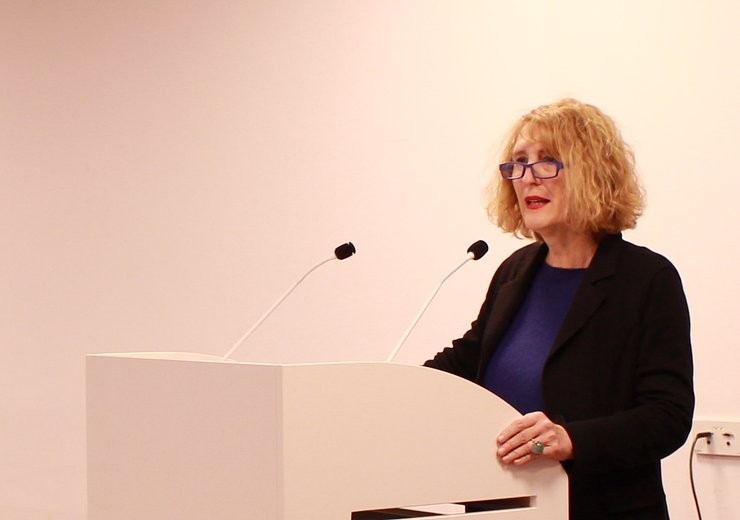
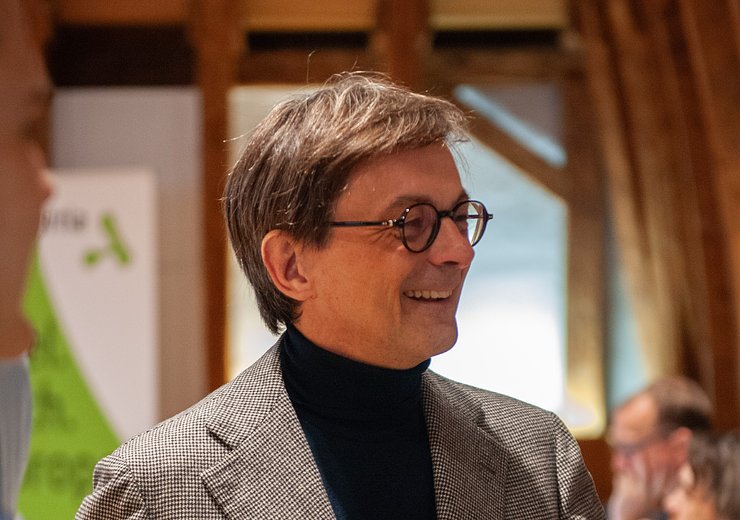
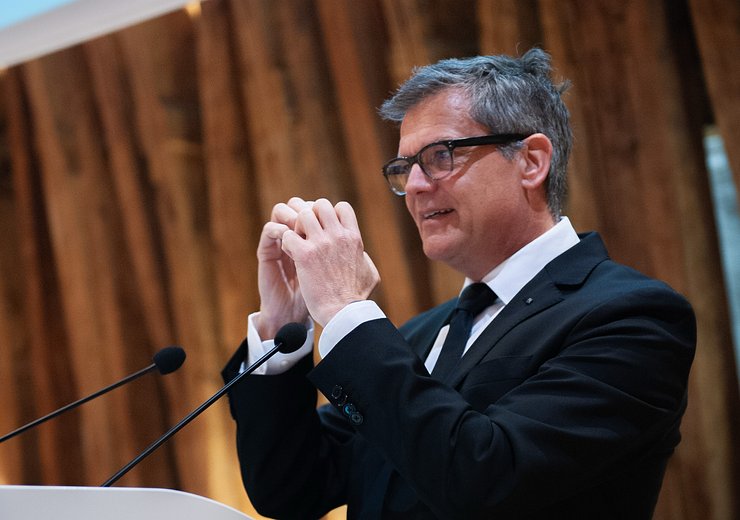
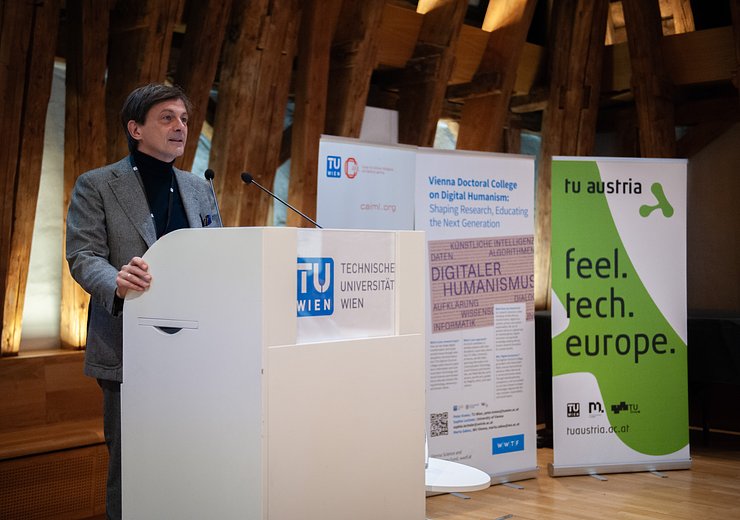
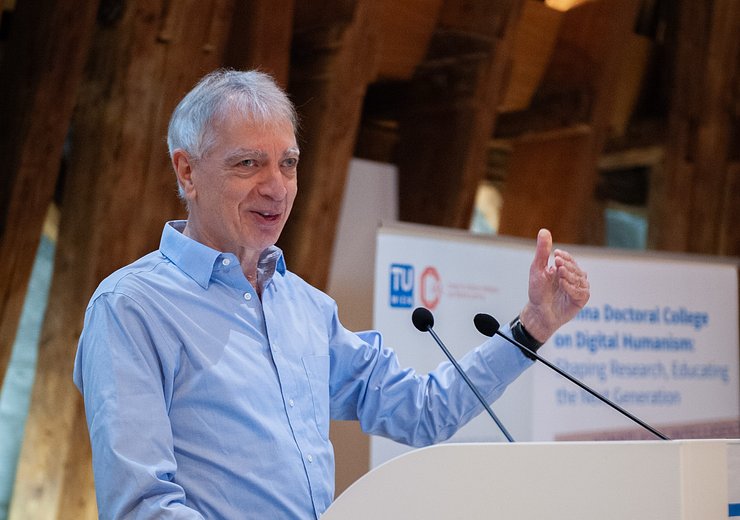
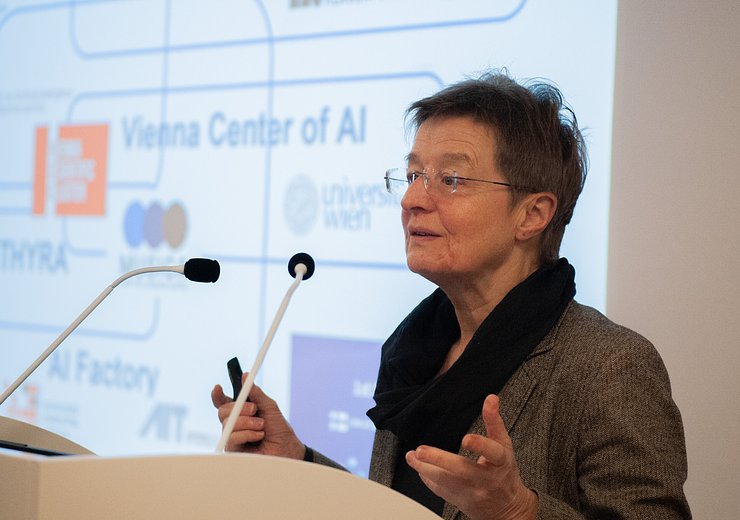
The Festival opened with welcoming words from our Rector, Jens Schneider, WWTF Managing Director Michael Stampfer, and the festival’s initiator, Nysret Musliu, Professor at our Research Unit Databases and Artificial Intelligence. The second and third days of the festival started with welcome addresses by TU Wien Informatics Dean Gerti Kappel, Ingo Hegny from the Austrian Federal Ministry of Innovation, Mobility, and Infrastructure, and the Dean of the University of Music and Performing Arts, Ulrike Sych.
The first day of the festival, which focused on how AI transforms research and science more broadly, set the tone for three days of rigorous debate and forward-looking insights. Sessions examined data reliability and validation, the growing prominence of “black-box” models—especially in biomedicine—and the need for ethics-by-design and interdisciplinary collaboration. Building on these themes, the keynote speakers highlighted how AI-driven discovery is shifting theory to the back seat, while still demanding careful human interpretation and clinical validation, and emphasized bridging disciplinary silos to turn AI’s capabilities into robust solutions.
The day concluded with a panel discussion on where AI is going next. The conversation moved to high-stakes applications, with the panel pointing to accelerating defense use cases that heighten the urgency for responsible development and governance. It underscored that AI’s impact must be shaped by ethical practice and careful oversight: bringing human judgment, ethical reflection, reliable data, and adequate computing into sustained alignment. Doing so means testing systems rigorously and being able to reproduce their results, making design choices and trade-offs visible and accountable while protecting privacy by default, ensuring that access to data and computational resources does not become a bottleneck for who can participate, and working across disciplines so real-world expertise informs how models are built and used. Only under these conditions can AI scale in ways that are trustworthy, safe, and broadly beneficial.
The second day of the AI Festival, shifted the focus from research to real-world impact, centering on industry, business, and the growing interplay between academia and practice. The program opened with lightning talks from industry leaders and university researchers, offering concrete views into current challenges and emerging AI solutions developed through joint projects and spin-offs. These exchanges highlighted how collaboration across sectors is already translating research into deployed systems, while also exposing the frictions that arise when moving from prototypes to products. A panel discussion then dug deeper into best practices for academic spin-offs, exploring what it takes to turn strong ideas into sustainable ventures without losing scientific rigor or long-term vision.
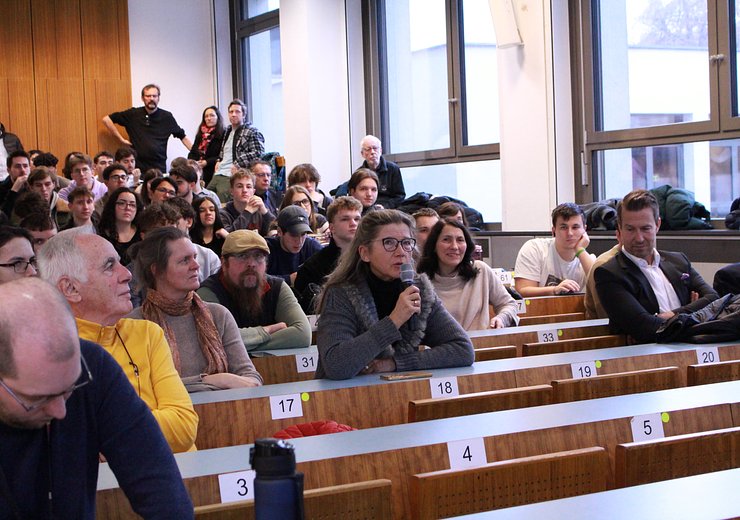
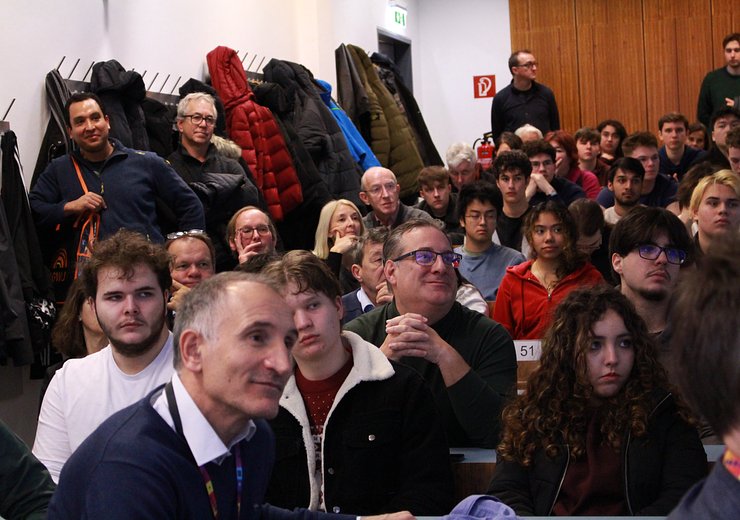
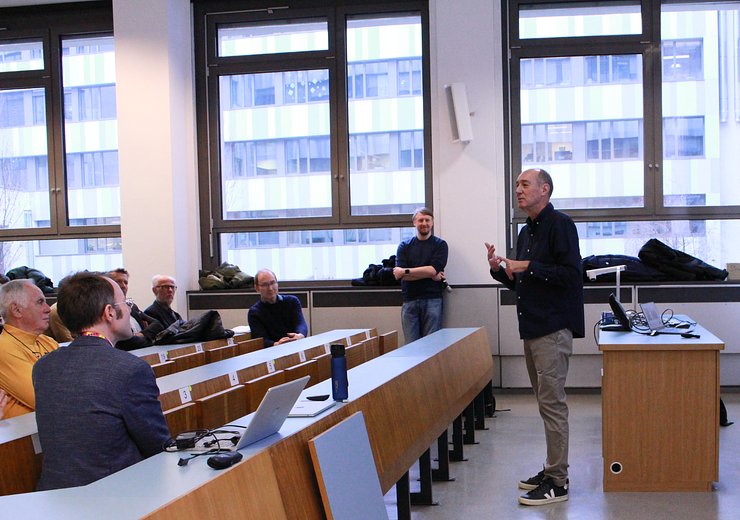
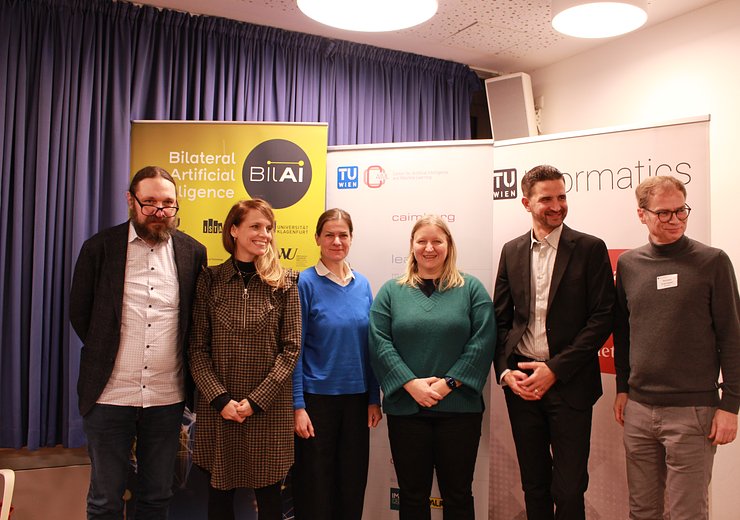
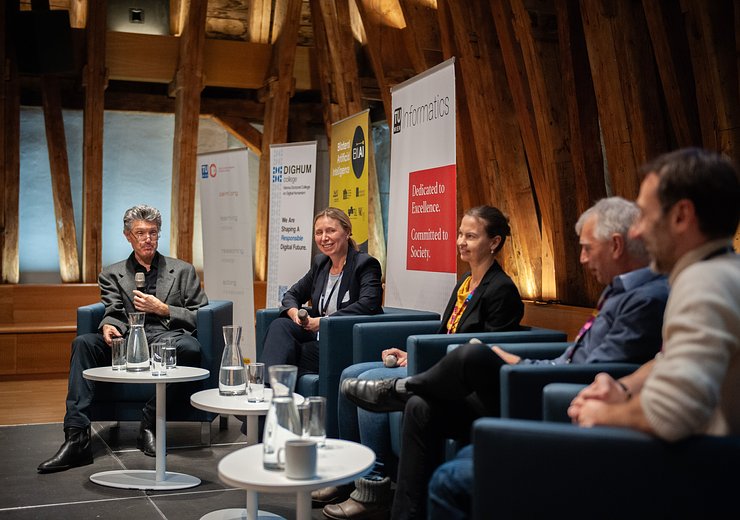
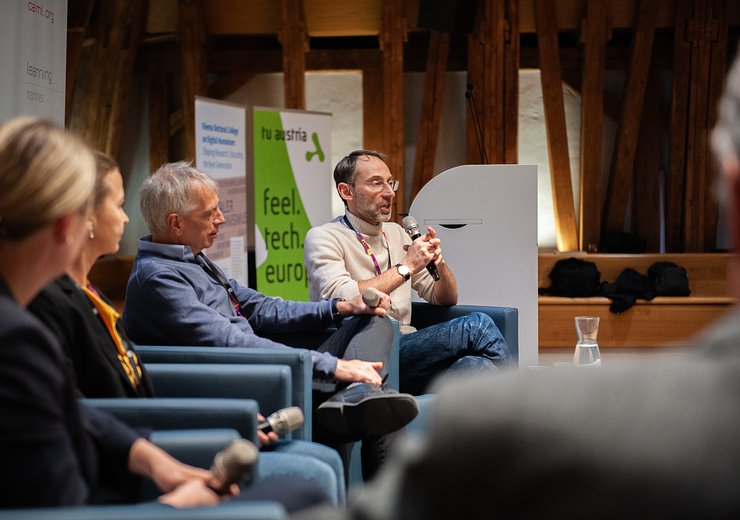
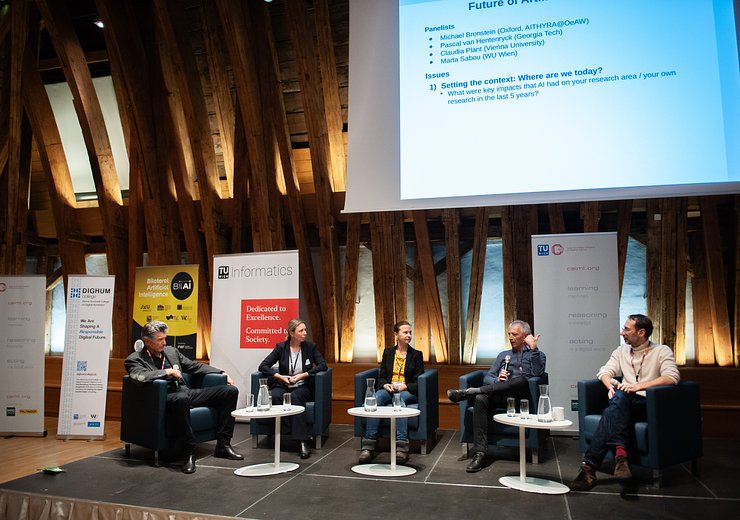
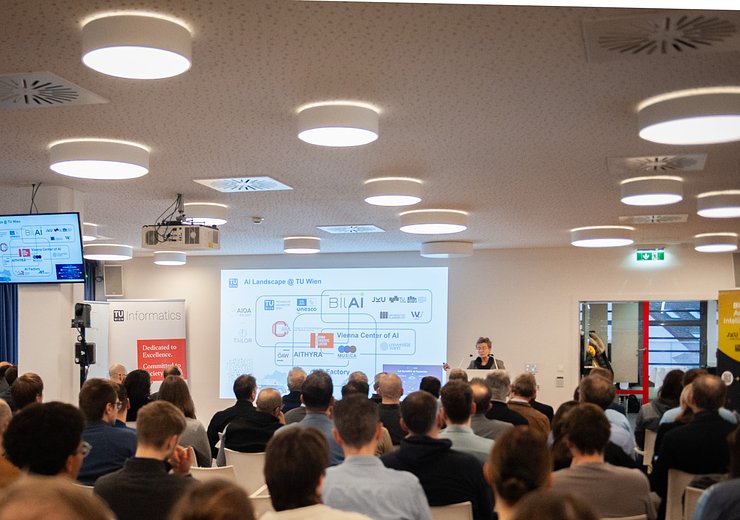
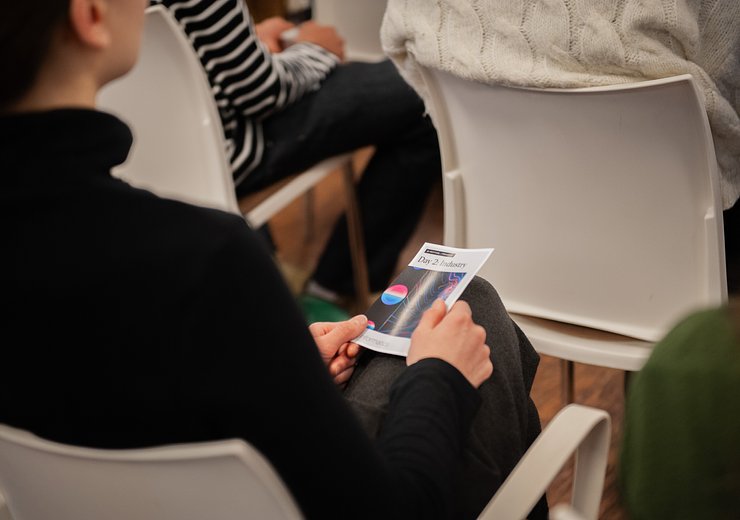
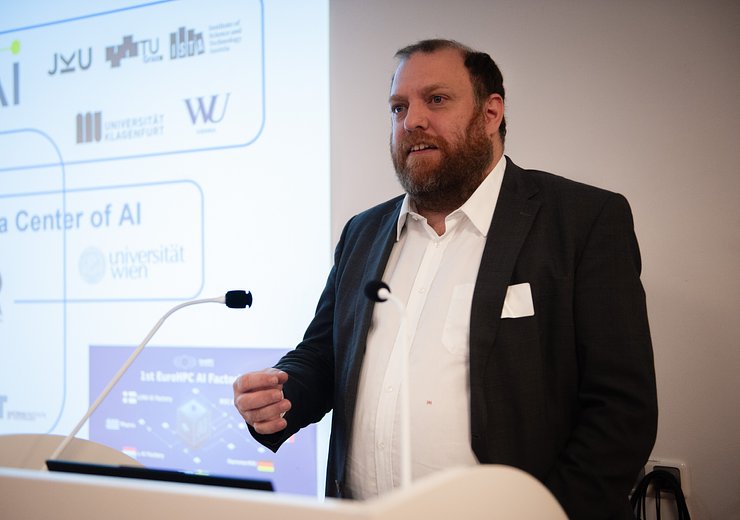
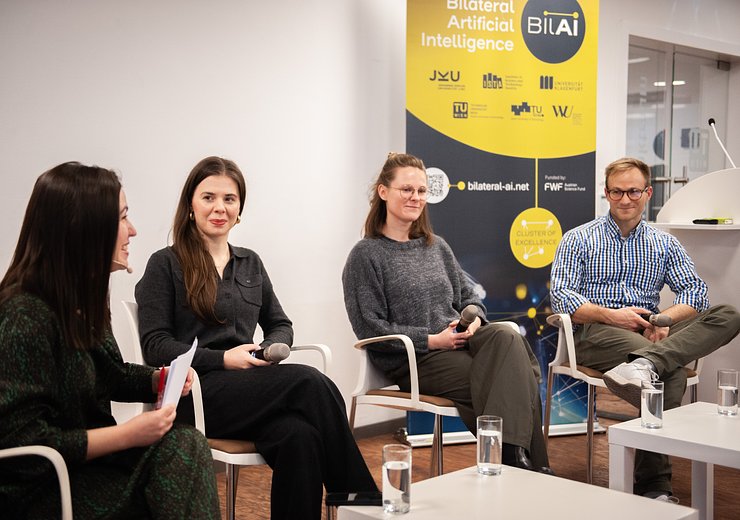
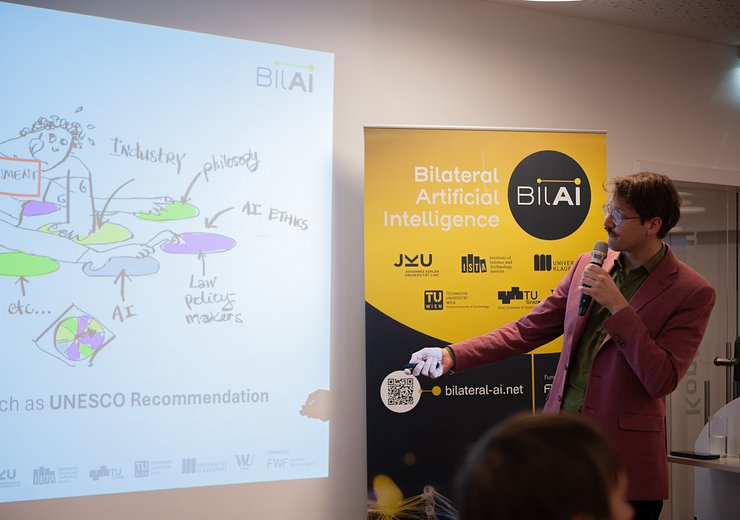
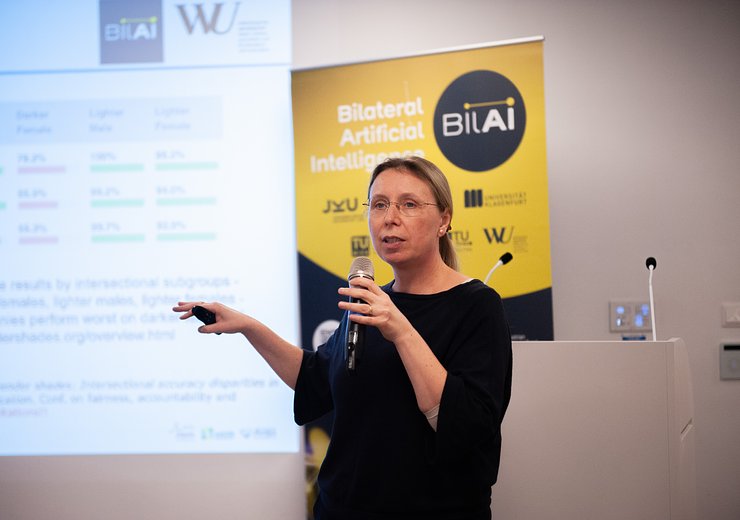
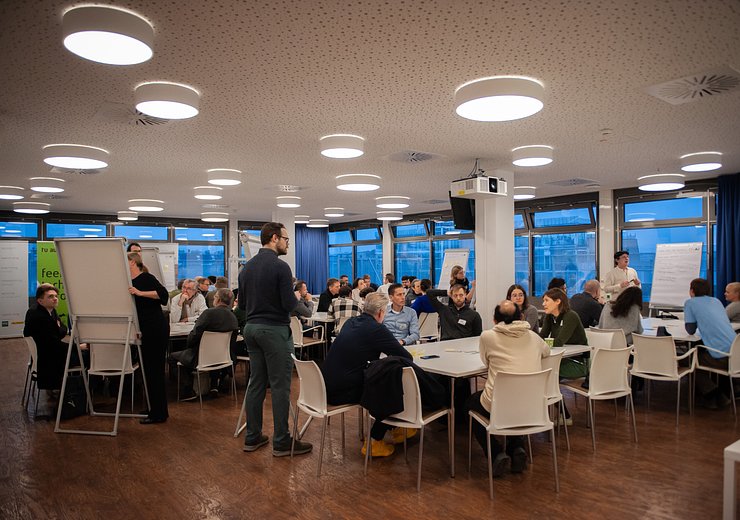
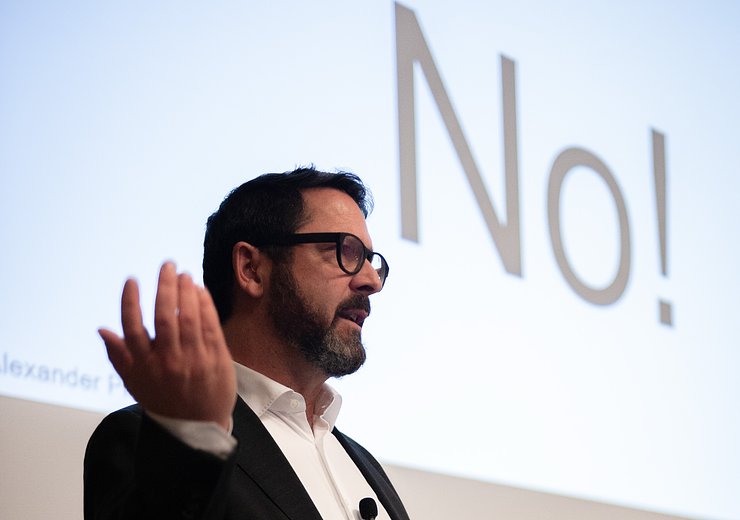
The afternoon turned toward questions of responsibility and scale. An interactive workshop examined how AI systems can be designed to behave reliably and ethically once embedded in complex organizational and societal contexts, emphasizing alignment as an ongoing process rather than a one-time technical fix. The day concluded with a keynote and panel discussion on how AI is reshaping key sectors, underscoring both the opportunities for innovation and the limits of automation. Rather than framing AI as a replacement for human expertise, the discussion stressed its role as an amplifier—most effective when guided by domain knowledge, clear accountability, and thoughtful governance. Together, the sessions painted a picture of AI adoption as a socio-technical challenge, where successful innovation depends as much on collaboration, trust, and stewardship as on algorithms themselves.
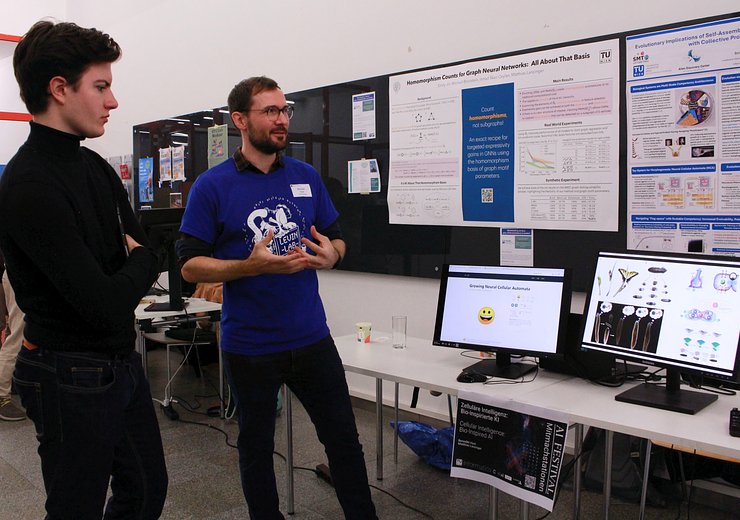
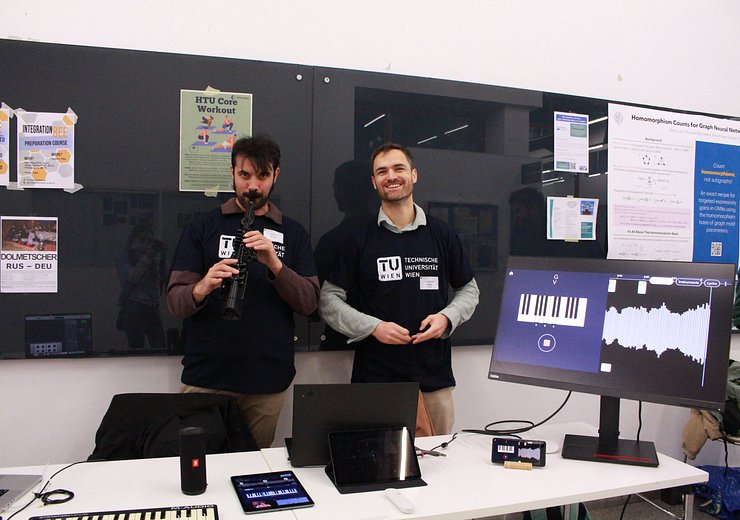
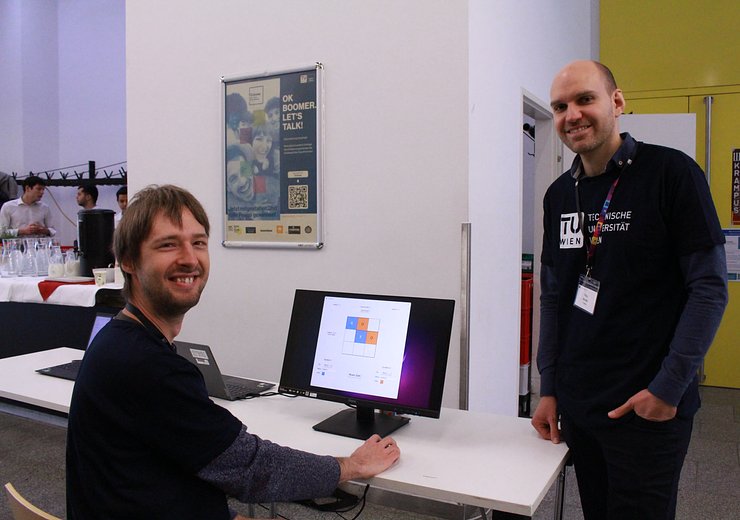
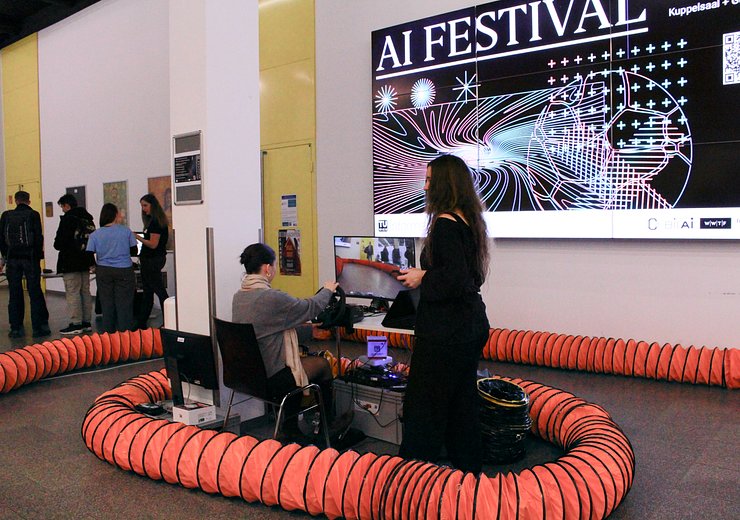
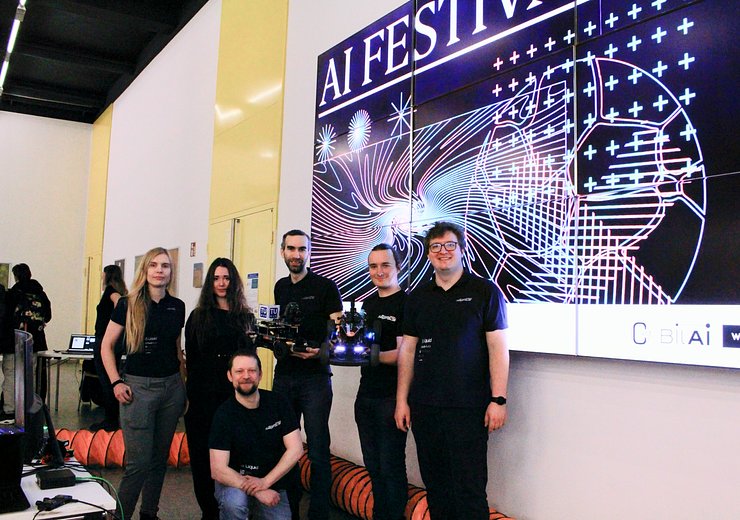
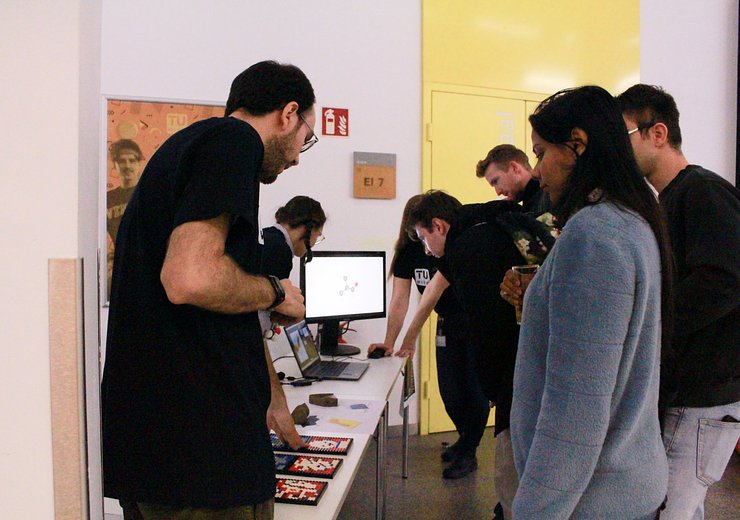
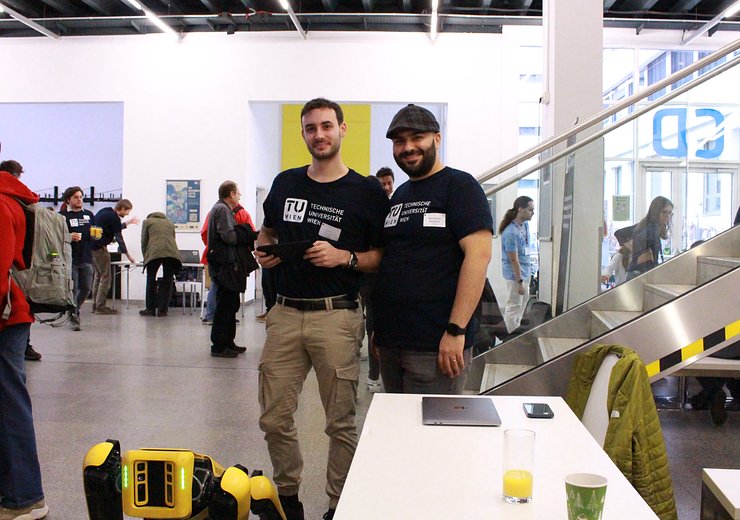
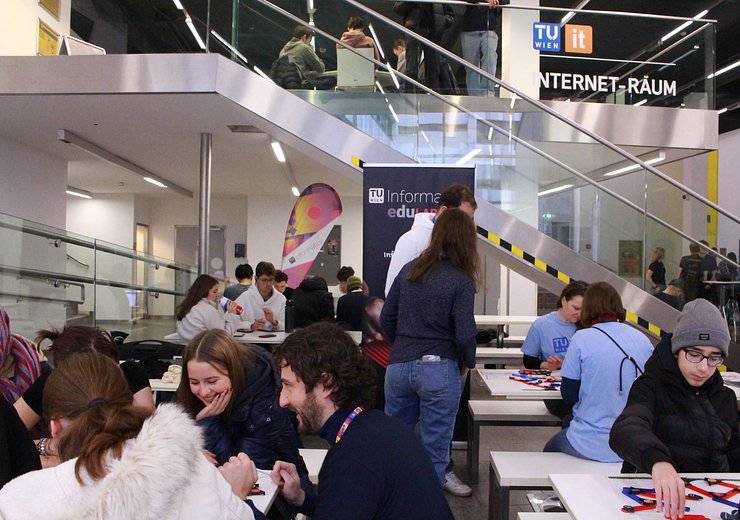
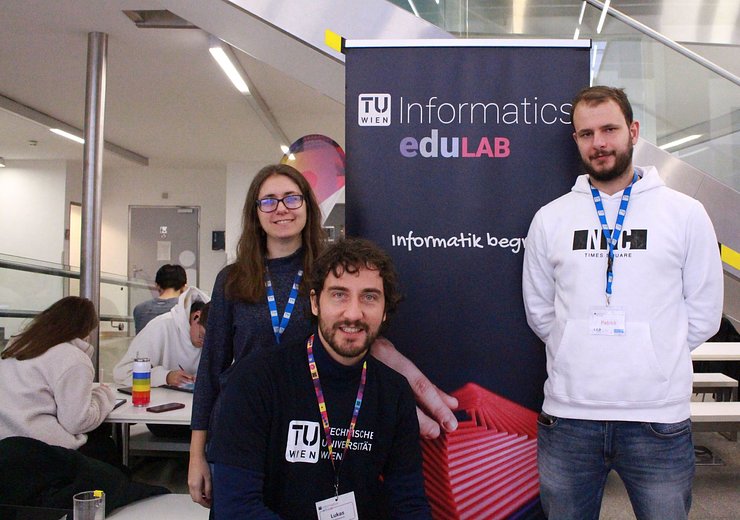
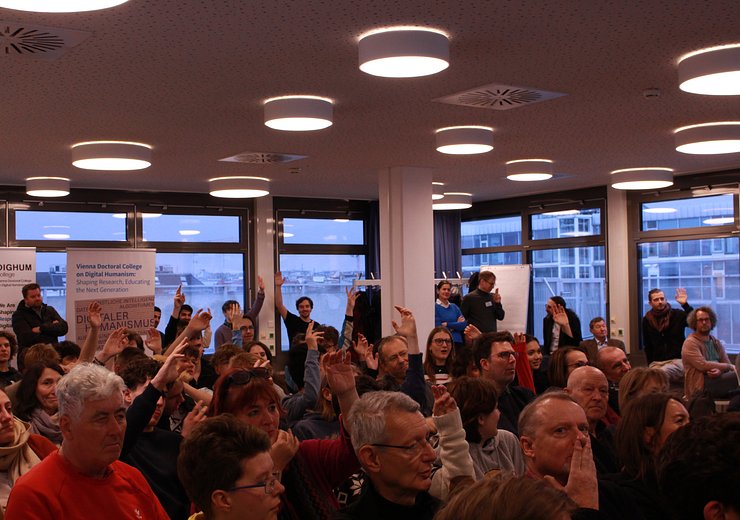
The third day of the AI Festival opened the doors to the public, inviting everyone curious about artificial intelligence to explore how these technologies work and what they mean for society. Designed as a day of dialogue and discovery, the program combined accessible talks with hands-on experiences that made the inner workings of AI tangible. A keynote on AI and music set the tone (pun intended), while the subsequent sessions unpacked how machines learn and reason, grounding abstract concepts in intuitive explanations. Throughout the day, interactive stations transformed the campus into a living lab, where visitors could engage directly with AI systems—from autonomous vehicles and recommendation engines to bio-inspired approaches and playful challenges that revealed both the strengths and limits of machine intelligence. The afternoon turned to large language models, offering insight into how systems like ChatGPT operate and why they have become so influential. The festival concluded with a panel discussion on AI and Digital Humanism, shifting the focus from how AI works to how it should be shaped. Centering on ethics, responsibility, and everyday impact, the discussion emphasized that AI is not just a technical achievement but a societal project—one that demands critical reflection, human-centered values, and active public engagement alongside innovation.
We extend our sincere thanks to our sponsors and supporters, our dedicated faculty and student staff, and everyone at TU Wien who helped to bring the Festival to life. A heartfelt thank you also to the Vienna Science and Technology Fund (WWTF), TU Wien’s Center Artificial Intelligence and Machine Learning (CAIML), the FWF-funded Cluster of Excellence Bilateral AI (BILAI), and TU Austria for their invaluable and continued support.
Missed a keynote?
Don’t worry! Selected recordings of the AI Festival are available to watch on our website and on our YouTube Channel.
If you’re interested in the keynote speakers and panelists, you can browse the full program for each day on our AI Festival overview page. Simply click on the day you’d like to explore to view the detailed program for that day.
Curious about our other news? Subscribe to our news feed, calendar, or newsletter, or follow us on social media.