
#README: 27th RoboRacer Autonomous Racing Competition
Thrilling races, vivid discussions, and a bunch of exciting developments for the future of autonomous driving - that was the 27th Autonomous Racing Competition!
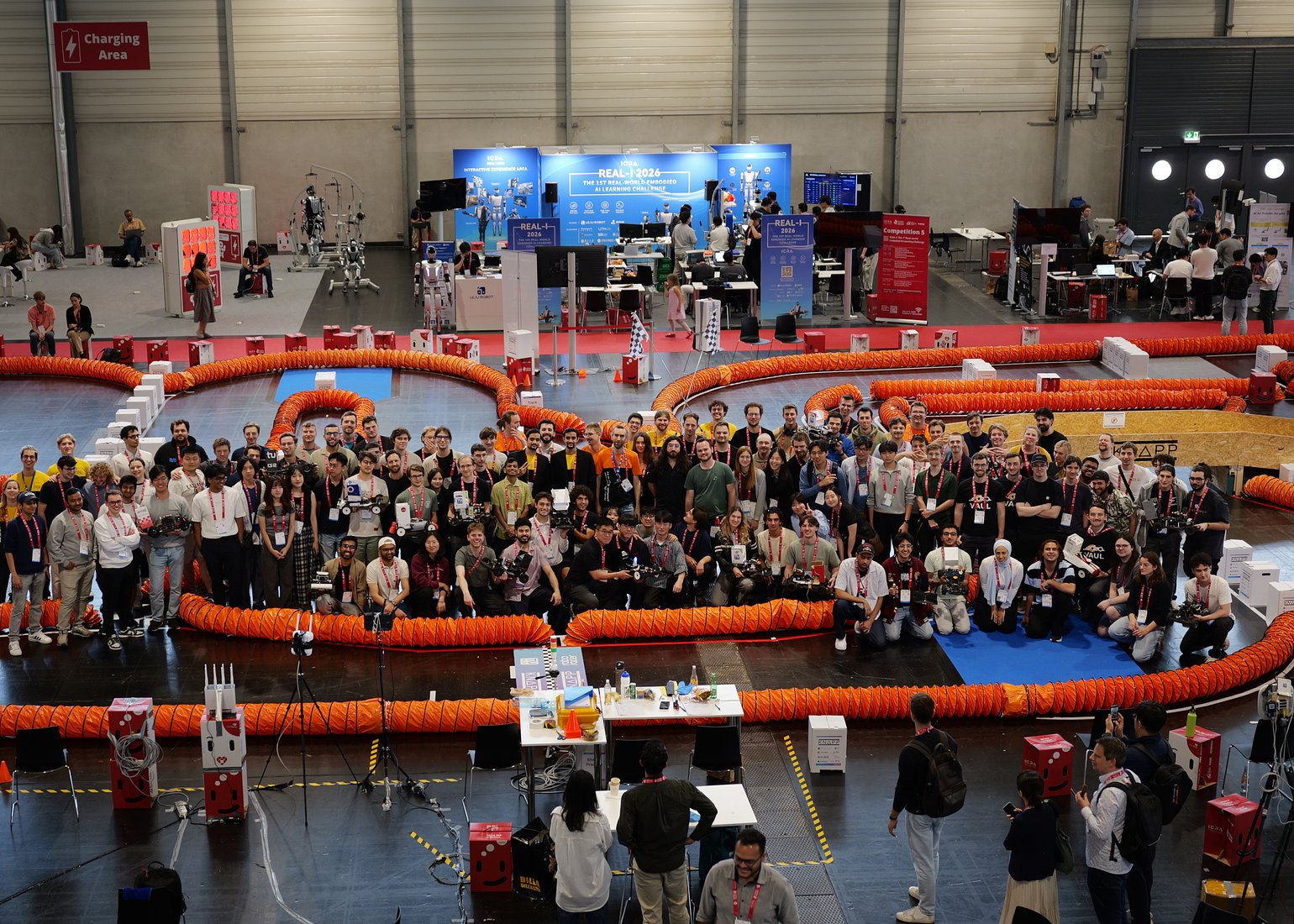
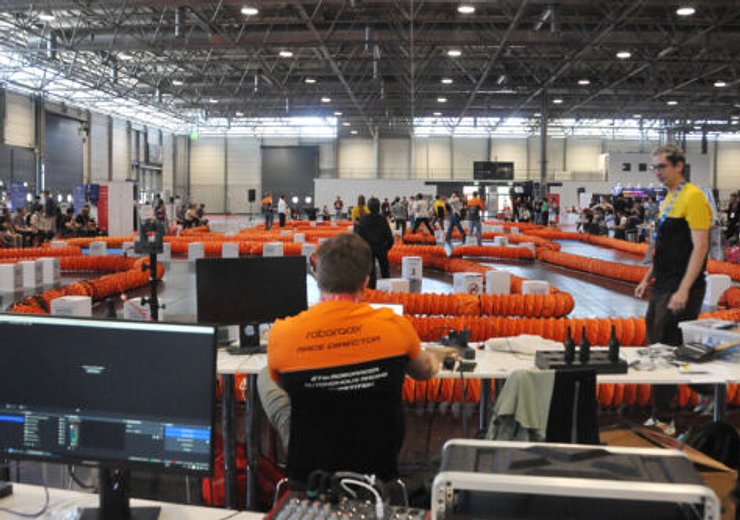
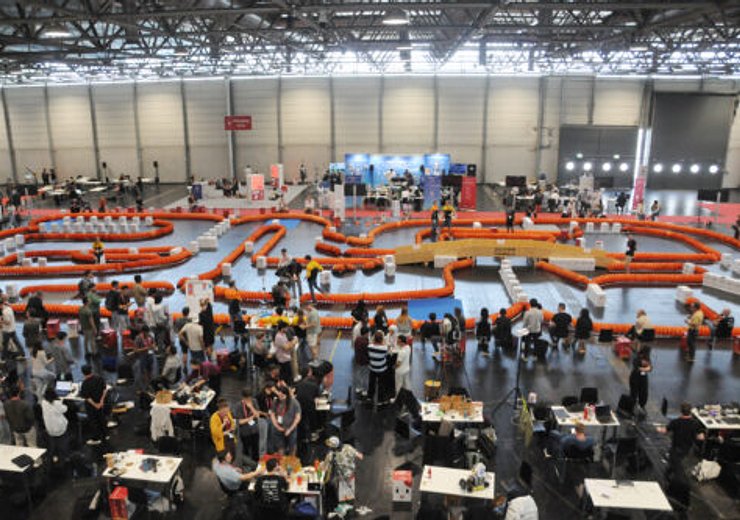
About 200 people and 30 teams from more than 12 countries attended this year’s competition, making it the largest edition ever held. The competition was embedded in the program of the 2026 IEEE International Conference on Robotics and Automation, providing a vibrant environment for discussions with robotics researchers and scientists beyond the race itself.
Novel advancements at this year’s race
This year, not only did it set a new record in the number of participants, but it also introduced several important advancements for the RoboRacer community. A bridge was added as a new track feature to encourage teams to develop algorithms capable of operating in non-flat environments. Open track borders were introduced to challenge existing approaches and incentivize the development of more sophisticated algorithms. The competition was also divided into the Classic Cup and the Master Cup, allowing advanced teams to push their performance even further on a more complex track that remained unknown until race day. In addition, a dedicated workshop was held on Friday to foster exchange and collaboration within the RoboRacer community.
Testing and practice days
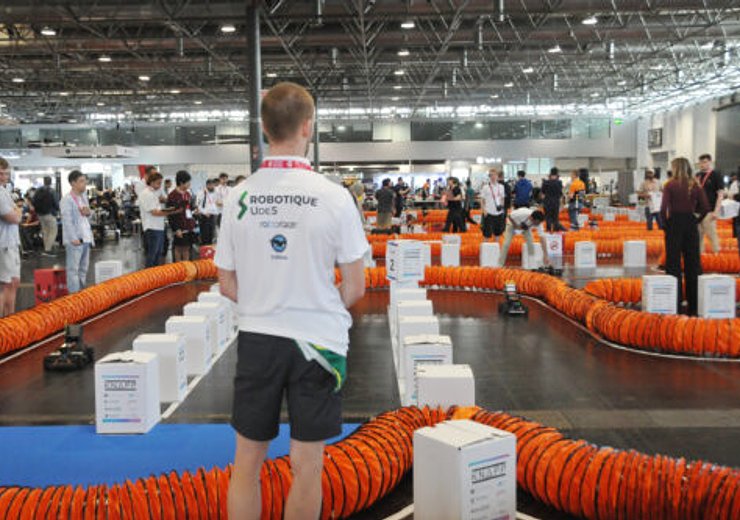
The competition week began on Monday with practice and mapping sessions, allowing teams to inspect their model race cars after international travel and transport and prepare them for racing. On the track, teams had time to record maps and subsequently fine-tune their racing strategies based on the specific layout. A key novelty this year was that the organizers provided two tracks with identical features, enabling parallel testing sessions and effectively giving teams more time to optimize their autonomous algorithms.
Time trials and Classic Cup races
Following the thorough hardware inspection of all cars and additional testing sessions on Tuesday, the competition intensified on Wednesday when teams began their time-trial runs. Competitors had to optimize for two metrics: the fastest lap time and the highest number of consecutive laps completed without crashing. These metrics emphasize both performance and reliability, demonstrating that autonomous race cars can operate not only at high speeds but also in a safe and controlled manner.
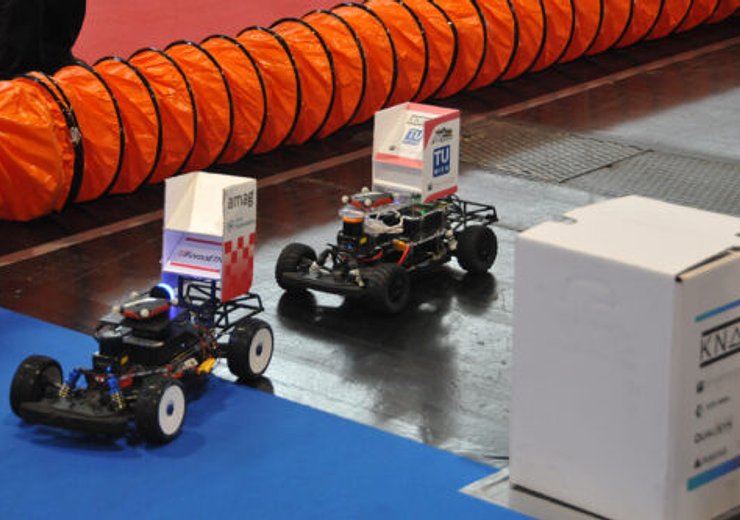
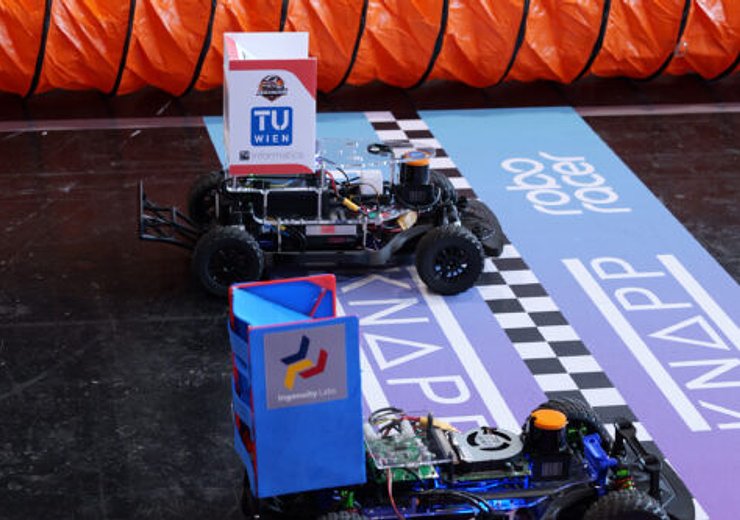
The teams delivered impressive performances throughout the day. Even newcomers attending for the first time completed several fast laps and demonstrated a high level of preparation. In the afternoon, attention shifted to the head-to-head races of the Classic Cup. Spectators enjoyed thrilling competition as pairs of cars raced for victory in a double-elimination format. Team “VAUL 2” from Canada secured first place, followed by “Brake Check Buddies” from Austria in second place and “tron racing” from Germany in third.
Master Cup and award ceremony
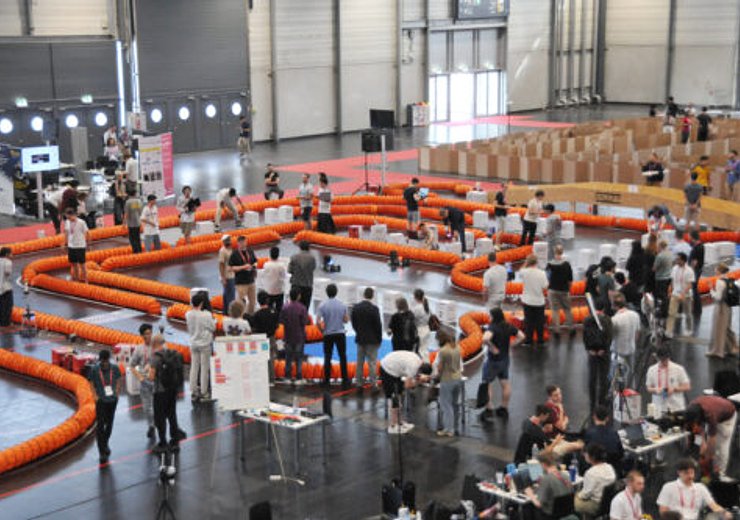
For the newly introduced Master Cup, the track was completely redesigned on Thursday to create an even more challenging environment, with teams given only limited time for mapping and training. The introduction of a bridge for the first time meant that the optimal racing line was no longer flat and included an intersection, presenting an additional challenge for both the teams and their autonomous algorithms. The effort invested in these new features paid off, as teams were highly motivated and eager to overcome the technical difficulties. From the very first head-to-head races, spectators witnessed close overtaking maneuvers and nerve-racking photo finishes. The cars were even fast enough to momentarily lift off the ground as they crossed the bridge at full speed.
The atmosphere during the final races was truly remarkable. The crowd cheered at every turn as the top teams demonstrated exceptional autonomous racing performance. Ultimately, “UNICORN_Racing” from the Republic of Korea won the Master Cup, while “UBM-Atlas” from Italy finished in second place and “UBM-Tom,” also from Italy, secured third place. In the evening, the RoboRacer teams gathered for the award ceremony at TU Wien, where trophies were presented to all teams. Two special prices were awarded as well: The KNAPP performance award for the highest acceleration overall was presented to LAMARRacing from Germany. The Qualisys awards were presented to Felix Resch and Team Arcus from Canada.
Special thanks to all organizers, Andreas Brandstätter, Moritz Christamentl, Jaroslav Klapalek, and Felix Resch, as well as to all volunteers from TU Wien and Team Scuderia Segfault, who dedicated countless hours to the planning and preparation of the race and to its excellent execution. This year’s race marked a special occasion, where, thanks to the support of TU Wien Informatics, all our students in the Autonomous Racing Cars lecture had the unique opportunity to participate in the international race. It was not only great to see TU Wien’s students’ outstanding performance, but also their motivation and drive to interact with the international robotics research community!
Special thanks to our great partners to make this event possible: KNAPP, HTU Wien, Qualisys, Magna International, theFFG Österreichische Forschungsförderungsgesellschaft mbH, and the Federal Ministry of Innovation, Mobility and Infrastructure.
Curious about our other news? Subscribe to our news feed, calendar, or newsletter, or follow us on social media.